
Safety & Contraindications
Important suitability guidance for all Brysk services.
Trusted by Top UK Brands









Suitability Matters
Your safety comes first. Review suitability guidance for whole body cryotherapy, red light therapy, hyperbaric oxygen, compression and lymphatic drainage before booking.
Brysk delivers supervised wellness and recovery sessions designed to feel structured, calm, and carefully controlled. While many people can safely take part, some health conditions or circumstances require caution, medical clearance, or temporary postponement.
This page outlines general contraindications for each service. It does not replace personalised medical advice.
If you are unsure about suitability, speak with your GP and contact the Brysk team before booking.
All sessions include suitability checks and supervision as standard.
Whole body Cryotherapy
Who should avoid whole body cryotherapy?
Whole body cryotherapy is not suitable in certain medical circumstances. You should avoid sessions if you currently have:
- Uncontrolled high or low blood pressure
- Cardiovascular disease or recent cardiac events
- Severe Raynaud’s syndrome (Type 2)
- Cold allergies or cold-induced asthma
- Deep vein thrombosis or a history of blood clots
- Acute respiratory infections
- Open wounds or recent surgical incisions
- Severe anaemia or uncontrolled seizure disorders
- Severe peripheral vascular disease
- Diagnosed neuropathy affecting temperature sensation
- Pregnancy or if you are trying to conceive
Medical clearance is required before undertaking cryotherapy if any of the above apply.
When should I speak to my GP before booking?
You should seek medical advice before booking if you:
- Have a diagnosed heart condition
- Are taking medication that affects circulation or blood pressure
- Have diabetes with reduced sensation
- Have a history of fainting or dizziness
- Have any chronic medical condition that may affect temperature regulation
- Under regular consultation for a medical issue
Cold exposure creates a short, controlled physiological stress response. If you have underlying cardiovascular, neurological or circulatory conditions, that response should be medically reviewed before participation.
Is whole body cryotherapy safe for first-time users?
Yes – when delivered in a supervised, controlled environment.
At Brysk, whole body cryotherapy takes place inside an electrically cooled chamber operating at –87°C. Sessions typically begin at around three minutes and are guided by surface skin temperature rather than fixed time targets.
Thermal protection is provided for the ears, hands and feet. Post-session skin temperature checks are mandatory and carried out every time.
Suitability is reviewed before entry, and progression is only considered if your response indicates it is appropriate.
Can I do cryotherapy if I feel unwell?
If you are experiencing fever, infection, flu symptoms, or general illness, you should postpone your session until fully recovered.
Cold exposure is designed to be used as a structured wellness and recovery session, not while you are acutely unwell.
Are there side effects of whole body cryotherapy?
Side effects from whole body cryotherapy are uncommon when sessions are delivered in a supervised environment with appropriate screening.
Most people simply notice the normal after-effects of cold exposure, such as feeling more alert immediately after the session. Some also feel more tired later in the day and may find they need a little more sleep that evening.
At Brysk, sessions are carefully guided, monitored, and response-led, which helps keep the experience controlled and appropriate for the individual.
Is cryotherapy safe for high blood pressure?
Cryotherapy may not be suitable for individuals with uncontrolled hypertension. If your blood pressure is significantly elevated or unstable, GP approval should be obtained before booking. Controlled blood pressure may be acceptable, but suitability should be assessed individually.
Can I do cryotherapy if I have Raynaud’s?
Cryotherapy is generally not recommended for individuals with severe Raynaud’s syndrome. Cold exposure may trigger exaggerated vascular responses. If you have mild or well-managed Raynaud’s, sessions should only proceed following medical clearance.
Hyperbaric Oxygen Therapy
Who should avoid hyperbaric oxygen therapy?
Hyperbaric oxygen therapy (HBOT) is not suitable for everyone. You should avoid sessions if you currently have:
- Untreated pneumothorax (collapsed lung)
- Severe chronic obstructive pulmonary disease (COPD)
- Certain types of lung disease affecting air trapping
- Recent ear surgery or unresolved ear injury
- Pregnancy (unless medically supervised and cleared)
- Severe sinus infections or blocked Eustachian tubes
- Active chest infections
- Uncontrolled high fever
- Perforated ear drums
Hyperbaric oxygen therapy should only be undertaken following clearance from your GP or relevant specialist if any of the above apply.
When should I speak to my GP before booking?
GP guidance is recommended before booking if you:
- Have severe asthma or another significant respiratory condition
- Experience frequent ear pressure issues when flying
- Have had recent dental surgery
- Have a history of seizures
- Are undergoing chemotherapy or taking medication known to affect oxygen sensitivity
HBOT involves sitting inside a gently pressurised chamber while breathing concentrated oxygen. Pressure levels and oxygen exposure are carefully controlled; however, pre-existing respiratory, ear or neurological conditions must be reviewed beforehand.
Is hyperbaric oxygen therapy safe for first-time users?
Yes – when delivered in a supervised environment with proper screening.
At Brysk, sessions are structured and monitored throughout. Pressure levels are controlled, and staff guide you through equalising ear pressure during the pressurisation phase.
Suitability is reviewed before entry, and sessions are designed to remain calm, gradual, and controlled rather than intense.
Can I fly after hyperbaric oxygen therapy?
In most cases, yes. However, if you experience ongoing ear pressure discomfort following a session, you should wait until symptoms resolve before flying. If you have a history of ear or sinus issues, obtain medical advice prior to booking.
What if I feel pressure discomfort during a session?
Mild ear pressure – similar to what you may experience during a flight – can occur as the chamber pressurises.
Staff guide you through simple equalisation techniques, and pressurisation is gradual. If discomfort persists, the session can be paused or adjusted immediately.
Your comfort and safety are prioritised at all times.
Whole Body Red Light Therapy
Who should avoid whole body red light therapy?
Whole body red light therapy is generally well tolerated. However, sessions may not be suitable if you:
- Have a diagnosed photosensitivity disorder
- Are taking medication that increases light sensitivity
- Have active skin infections or open wounds
- Have recently undergone laser-based skin procedures
- Have a history of light-triggered seizures
If you are unsure whether red light therapy is appropriate for you, obtain medical guidance before attending.
When should I speak to my GP before booking?
Medical advice is recommended if you:
- Are taking antibiotics, retinoids, or other medication known to increase light sensitivity
- Have a history of epilepsy or neurological conditions
- Have recently had cosmetic or dermatological procedures
- Are pregnant and unsure about suitability
Red light therapy uses specific wavelengths of light delivered in a controlled environment. While the exposure is non-invasive, suitability should always be considered in the context of your overall health.
Is whole body red light therapy safe for first-time users?
Yes – when delivered in a supervised setting with clear guidance.
At Brysk, sessions are structured and monitored. Protective eyewear is provided, and exposure duration is controlled to ensure sessions remain comfortable and appropriate.
Red light therapy is non-invasive and does not involve heat stress or pressure changes, making it suitable for many people following appropriate screening.
Are there side effects of red light therapy?
Red light therapy is generally well tolerated. Mild temporary redness or warmth may occur. When used appropriately and with eye protection (when required), significant adverse reactions are uncommon.
Can I combine red light therapy with other Brysk sessions?
In most cases, yes.
Whole body red light is commonly paired with cryotherapy, hyperbaric oxygen, compression, or lymphatic drainage depending on your goals. If you are unsure about sequencing or suitability, the Brysk team can guide you before booking.
Localised Cryotherapy
Who should avoid localised cryotherapy?
Localised cryotherapy may not be suitable if you:
- Have severe Raynaud’s syndrome
- Have cold allergies or cold-induced urticaria
- Have impaired circulation in the targeted area
- Have open wounds or unhealed skin in the treatment area
- Have active skin infections
- Have a history of deep vein thrombosis affecting the targeted limb
Medical clearance should be obtained before booking if any of the above apply.
When should I speak to my GP before booking?
Medical guidance is recommended if you:
- Have diabetes with reduced sensation in the affected area
- Have nerve damage or neuropathy
- Are taking medication that affects circulation
- Have recently undergone surgery in the area you wish to treat
Localised cryotherapy involves controlled cold air directed at a specific area of the body. While exposure is targeted and brief, reduced sensation or circulation can increase risk if not screened properly.
Is localised cryotherapy safe for first-time users?
Yes – when delivered in a supervised setting.
At Brysk, localised cryotherapy is applied by trained staff using controlled equipment. Exposure duration is guided carefully, and the skin is monitored throughout.
Sessions are designed to remain controlled, targeted, and comfortable.
How does localised cryotherapy differ in risk from whole body cryotherapy?
Localised cryotherapy cools a defined area rather than triggering a systemic cold response.
Because exposure is targeted, systemic stress is reduced compared to whole body cryotherapy. However, suitability screening remains important – particularly where circulation or nerve sensitivity may be affected.
Compression Boots
Who should avoid compression boot sessions?
Compression boots may not be suitable if you currently have:
- Deep vein thrombosis (DVT) or a history of blood clots
- Severe peripheral vascular disease
- Acute skin infections affecting the legs
- Uncontrolled heart failure
- Recent lower limb fractures or unstable injuries
Compression sessions should only proceed following medical clearance if any of the above apply.
When should I speak to my GP before booking?
GP consultation is recommended if you:
- Have diabetes with reduced sensation in the legs
- Experience unexplained swelling in one limb
- Have recently undergone surgery
- Have known circulatory or cardiovascular conditions
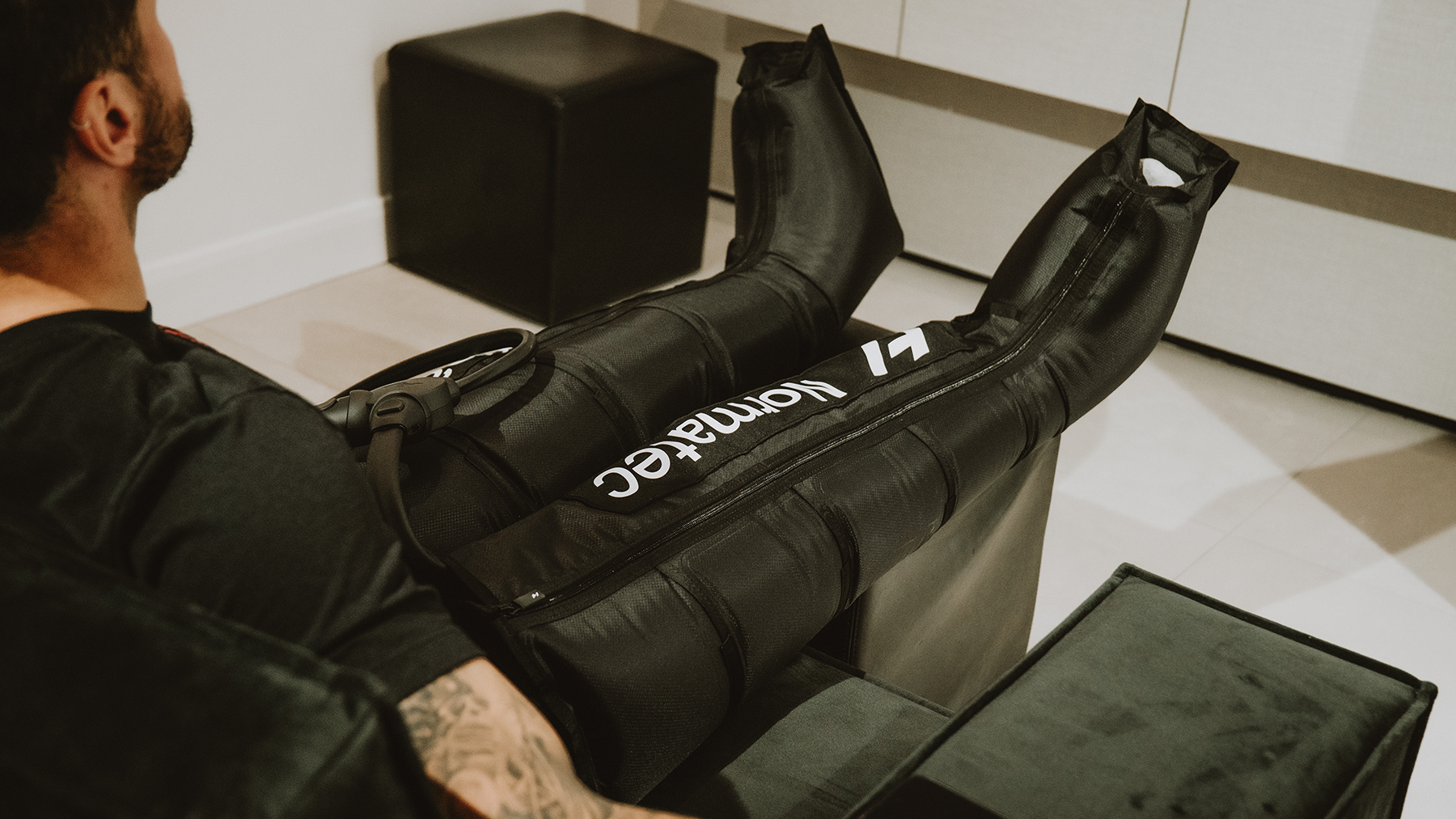
Compression therapy works by rhythmically inflating chambers around the legs to support circulation. While the pressure is controlled and adjustable, underlying vascular conditions should always be reviewed first.
Are compression boots safe for first-time users?
Yes – when used appropriately.
At Brysk, sessions are structured and pressure levels are selected based on comfort and suitability. You remain seated and supervised throughout.
Compression is designed to feel firm but comfortable. If anything feels unusual or uncomfortable, pressure can be adjusted immediately.
Can compression boots cause blood clots?
No. When used appropriately in individuals without active clotting disorders, compression boots are designed to support venous return rather than promote clot formation. However, they should not be used if you have an existing deep vein thrombosis (DVT) unless medically cleared.
Can compression boots be combined with other Brysk sessions?
In most cases, yes.
Compression is often paired with cryotherapy, red light, or lymphatic drainage during training blocks or busy periods. If you are unsure about sequencing or suitability, the team can advise before booking.
Full Body Lymphatic Drainage
Who should avoid lymphatic drainage sessions?
Lymphatic drainage may not be suitable if you currently have:
- Active infections or fever
- Untreated or active cancer
- Severe heart failure
- Acute kidney disease
- Deep vein thrombosis (DVT)
- Unexplained swelling or fluid retention
If any of the above apply, clearance from a healthcare professional is required before booking.
When should I speak to my GP before booking?
Professional medical advice is recommended if you:
- Have ongoing medical treatment affecting fluid balance
- Experience persistent swelling
- Have recently undergone surgery
- Have a diagnosed lymphatic disorder
Lymphatic drainage supports natural lymphatic fluid movement within the body. While sessions are gentle and low-impact, certain medical conditions require clearance before proceeding.
Is lymphatic drainage safe for first-time users?
Yes – when suitability has been reviewed.
At Brysk, sessions are structured, supervised, and designed to feel calm and low-intensity. Pressure levels are controlled and adjustable.
If you are unsure about suitability, the Brysk team can guide you before booking.
Can lymphatic drainage be combined with other Brysk sessions?
In most cases, yes.
Lymphatic drainage is often paired with cryotherapy, compression, or red light therapy depending on individual goals and workload. Sequencing can be adjusted to fit comfortably around your routine.



How Brysk Maintains Safety Standards
All sessions at Brysk follow structured screening protocols. Suitability is reviewed before entry, and staff remain present throughout delivery.
Temperature, pressure and exposure durations are controlled and response-led rather than fixed to arbitrary targets. Post-session checks are carried out where appropriate, and sessions can be paused or adjusted at any time.
Progression is guided by response, not endurance.