
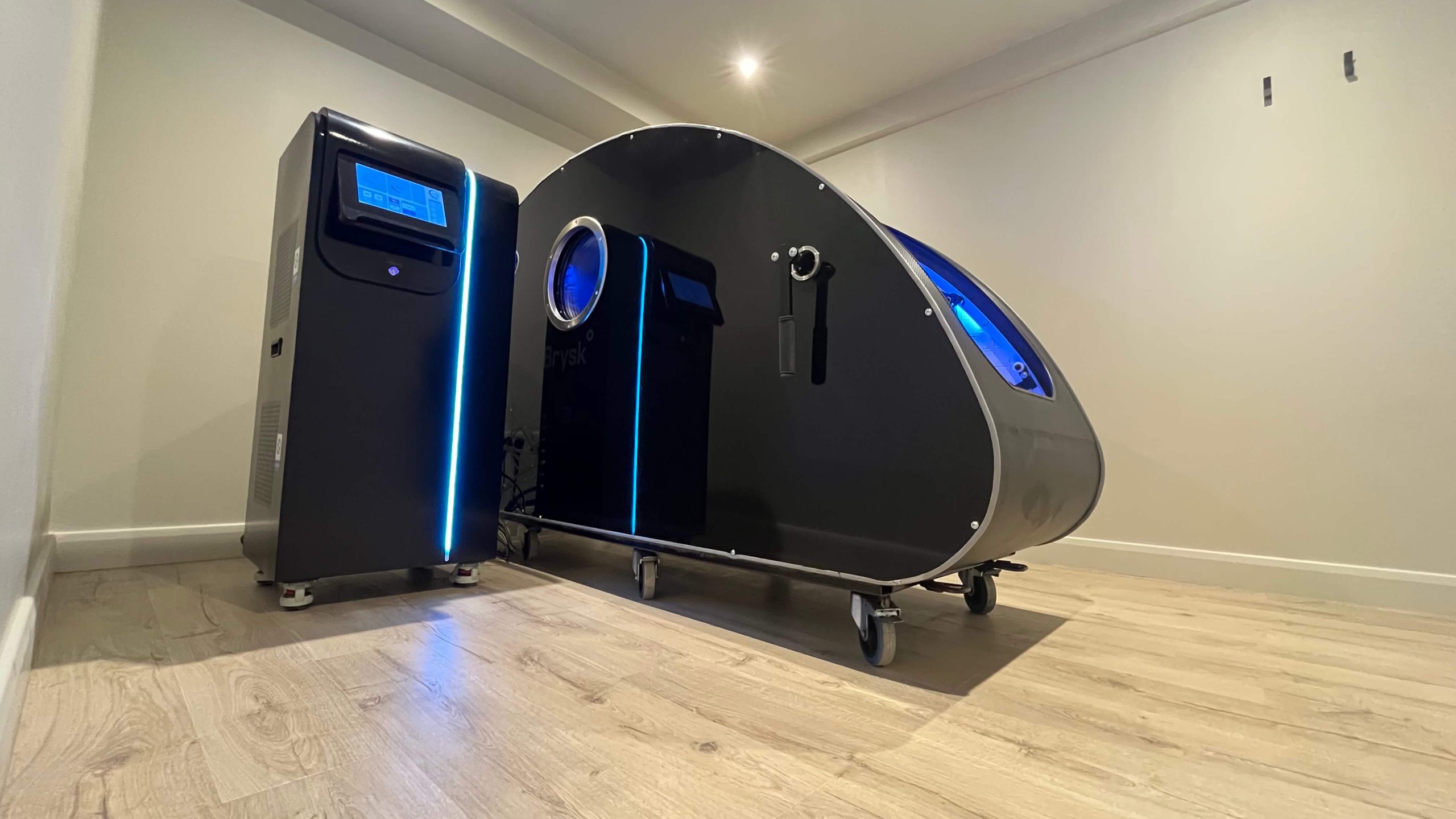
No – not everyone should use a hyperbaric chamber.
Hyperbaric oxygen therapy has traditionally been used in medical settings for specific clinical situations. More recently, hyperbaric chambers have become more visible in recovery, wellness, performance, and longevity spaces.
A hyperbaric chamber involves pressure changes, oxygen exposure, and a longer enclosed session, so it needs more consideration than a typical wellness appointment.
At Brysk, Hyperbaric Oxygen Therapy in Manchester is offered as a pressurised oxygen session designed to support recovery, relaxation, and mental clarity. It is not a medical treatment, diagnostic service, or replacement for care from a healthcare professional.
Quick answer
Can everyone use a hyperbaric chamber?
No. Hyperbaric chambers are not suitable for everyone.
A hyperbaric oxygen session may be suitable for someone who:
- Wants a calm, structured recovery or wellbeing session
- Can tolerate a pressurised chamber environment
- Does not have relevant ear, sinus, lung, or respiratory concerns
- Is comfortable with a longer appointment
- Is not looking for medical diagnosis or treatment
A hyperbaric oxygen session may not be suitable if you have:
- Certain respiratory conditions
- Ear or sinus issues
- Difficulty equalising pressure
- Severe claustrophobia
- Pregnancy
- A history of seizures without medical clearance
- Current illness, fever, or respiratory infection
- A current or recent pneumothorax, also known as a collapsed lung
At Brysk, suitability questions are discussed before sessions rather than after someone arrives unsure on the day.
If you are unsure, the safest next step is to ask before booking. If the question is medical, seek guidance from an appropriate healthcare professional first.
Jump to
2. What is a chamber?
3. Pressure and oxygen
4. Is it only for athletes?
5. Who should not use it?
6. Ear and sinus issues
7. Lung and respiratory issues
8. Claustrophobia
9. Pregnancy
10. Seizures and epilepsy
11. Medication
12. Side effects
13. Is HBOT just for athletes?
14. Other Brysk sessions
15. Can everyone use one?
16. FAQs
17. Book HBOT
Hyperbaric Chamber Suitability: At a Glance
Before going deeper, here is the simple version.
| Question | Short answer |
|---|---|
| Can everyone use a hyperbaric chamber? | No. Suitability matters. |
| Is HBOT only for athletes? | No. Some people use it for recovery, relaxation, or routine wellbeing. |
| Is it a medical treatment at Brysk? | No. Brysk offers HBOT as a wellness support session, not clinical treatment. |
| What is the main thing people notice during the session? | Pressure changes, often similar to ears popping on a plane. |
| Who should be cautious? | People with ear, sinus, lung, respiratory, seizure, pregnancy, or claustrophobia concerns. |
| Can you use it if you are nervous? | Sometimes, but severe claustrophobia may make it unsuitable. |
| Should you ask before booking? | Yes, especially if you have any health concerns. |
A hyperbaric chamber is not something to book blindly. It should feel considered, explained, and appropriate for the person using it.
What Is a Hyperbaric Chamber?
A hyperbaric chamber is a pressurised environment where oxygen is breathed at higher-than-normal atmospheric pressure. The pressure matters because it can allow more oxygen to dissolve into the blood plasma, increasing oxygen availability during the session.
In clinical medical settings, hyperbaric oxygen therapy is used for specific approved conditions such as decompression sickness, carbon monoxide poisoning, certain wounds, and other specialist indications. That is a very different context from a wellness or recovery studio.
At Brysk, HBOT is positioned as a wellness support session. It involves relaxing inside a pressurised chamber while breathing enriched oxygen, with sessions designed around recovery support, relaxation, and mental clarity rather than medical treatment.
Brysk offers 60-minute and 90-minute hyperbaric oxygen sessions, with appointment time also allowing for compression and decompression of the chamber.
If you want a full step-by-step look at the experience itself, we have also covered what happens during a hyperbaric oxygen session.
How Does the Pressure Change Oxygen Delivery?
The key difference with a hyperbaric chamber is pressure.
Inside the chamber, the air pressure is increased above normal atmospheric pressure while you breathe enriched oxygen. Under pressure, more oxygen can dissolve into the blood plasma – the liquid part of the blood – rather than relying only on oxygen carried by red blood cells.
This is one reason HBOT is often discussed in relation to recovery, oxygen availability, mental clarity and general wellbeing. The aim is not simply to “breathe more oxygen”. In practical terms, that is why HBOT is often chosen by clients who want a quieter, longer session focused on recovery support, mental clarity, and structured downtime.
Some HBOT providers describe this as increasing oxygen availability during treatment, sometimes using figures such as “up to 16x”; the actual figure depends on chamber pressure, oxygen delivery method and context. At Brysk, it is better to explain this as increased oxygen availability under pressure rather than promise a fixed biological outcome for every person.
Can You Use a Hyperbaric Chamber If You’re Not an Athlete?
Often, yes – if they are suitable.
You do not need to be an athlete, biohacker, or high-performance client to use a hyperbaric chamber in a wellness setting. Many clients are simply looking for structured downtime, recovery support, or a calm session away from a busy day.
At Brysk, HBOT may appeal to:
- Busy professionals who want deliberate downtime
- Gym-goers and active people looking for recovery support
- People who feel physically or mentally overloaded
- Clients who want a longer, quieter session than red light or cryotherapy
- People building a broader recovery routine across different Brysk sessions
That said, being a “normal person” does not automatically mean it is right for you.
The chamber environment still involves pressure changes, oxygen exposure, and a longer enclosed session. That is why suitability matters before booking.
Who Should Not Use a Hyperbaric Chamber?
Some people should avoid hyperbaric oxygen therapy or seek medical clearance first.
At Brysk, you should not book HBOT without speaking to the team or getting medical clearance first if you have or are currently experiencing:
- Current or recent pneumothorax, also known as a collapsed lung
- Certain respiratory conditions, including COPD or severe asthma
- Ear barotrauma or unresolved ear issues
- Sinus infections or difficulty equalising pressure
- Recent eye surgery or known gas bubble in the eye
- History of seizures or epilepsy without medical clearance
- Uncontrolled high fever or acute respiratory illness
- Severe claustrophobia
- Pregnancy
The aim is simply to be clear about where caution is needed.
A responsible studio should never treat a hyperbaric chamber as suitable for everyone. If your health history raises questions, the right answer may be to pause, ask more questions, or seek medical advice before going ahead.
Why Ear and Sinus Issues Matter
Pressure is one of the main differences between HBOT and many other wellness sessions.
As the chamber pressurises, your ears may pop or feel full, similar to the feeling during take-off or landing on a plane. For most suitable people, this is manageable. But if you already have ear or sinus issues, the pressure change may be uncomfortable or inappropriate.
You should be more cautious if you have:
- Current ear infection
- Recent ear injury
- Recent ear surgery
- Ongoing sinus infection
- Eustachian tube dysfunction
- Difficulty equalising pressure
- Significant congestion or fever
This is why “I have a cold, but I’ll probably be fine” is not the right mindset for a hyperbaric chamber.
If your ears, sinuses, or breathing are already affected, it may be better to delay the session or seek medical advice first.
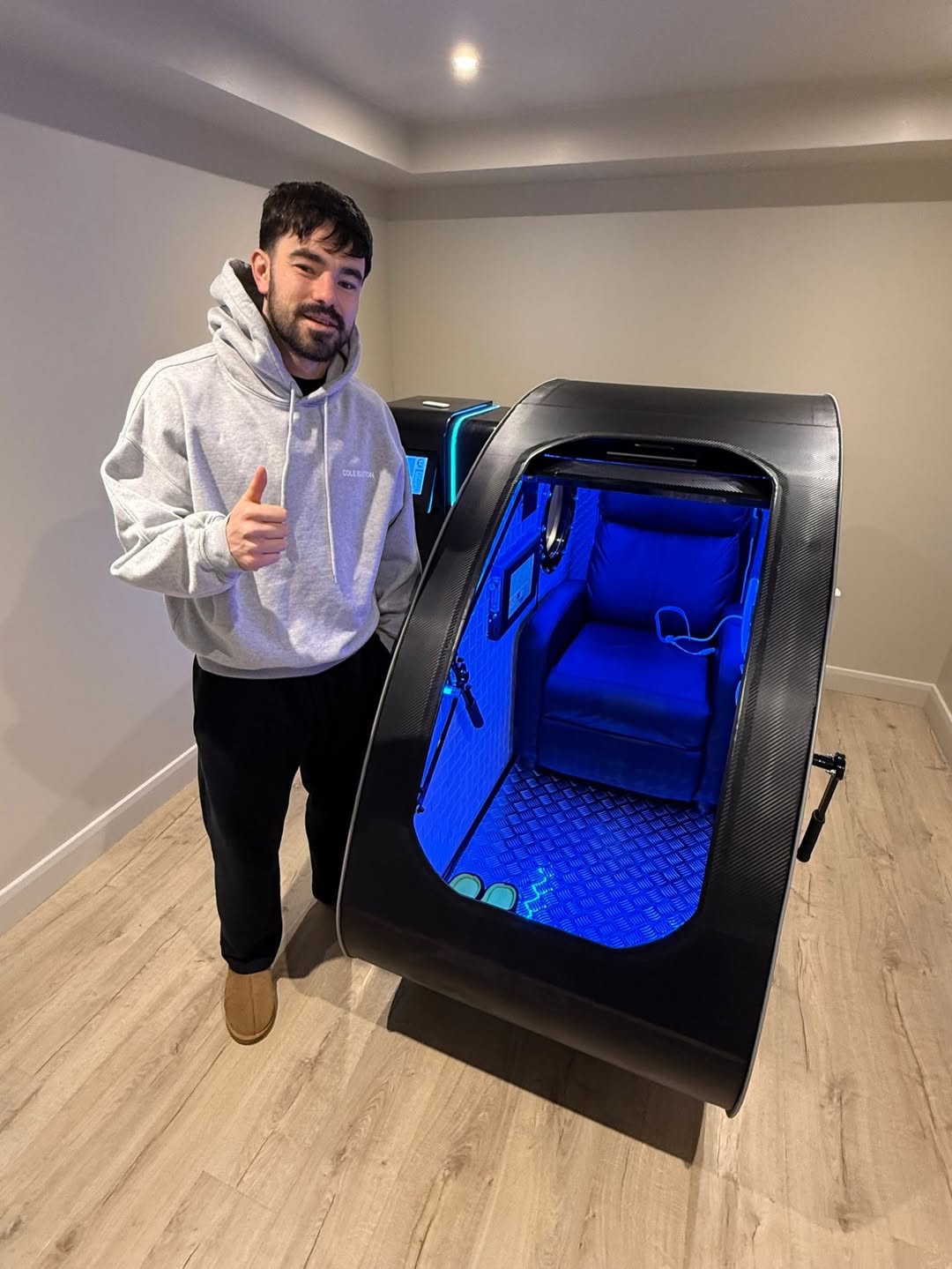
Not sure whether HBOT is suitable for you?
If you have questions about pressure changes, ear popping, claustrophobia, respiratory concerns, or suitability in general, the Brysk team are happy to talk things through before you book.
Why Lung and Respiratory Conditions Matter
Hyperbaric chambers involve both pressure and oxygen, so lung and respiratory history matters.
In clinical HBOT literature, an untreated pneumothorax is widely treated as the key absolute contraindication because pressure changes can create serious risk. Other respiratory conditions may also require careful medical assessment before HBOT is considered.
At Brysk, people with certain respiratory conditions, severe asthma, COPD, acute respiratory illness, or a current or recent pneumothorax should not book without appropriate medical guidance.
That does not mean everyone with a past respiratory issue is automatically excluded. It means this is not something to guess.
If the question involves lung health, breathing, chest symptoms, or respiratory disease, medical advice should come before booking.
Can You Use a Hyperbaric Chamber If You Are Claustrophobic?
It depends on the severity.
Mild nerves before a first hyperbaric oxygen session are completely normal because the chamber is unfamiliar. That is normal. A calm explanation, knowing what to expect, and understanding that the session is guided can make a big difference.
But severe claustrophobia is different.
If being inside an enclosed chamber is likely to cause panic, distress, or a strong urge to leave immediately, HBOT may not be the right session for you. That does not mean recovery support is off the table. It may simply mean another Brysk session feels more appropriate.
For example, red light therapy or compression boots may feel more open, lower-pressure, and easier to try first.
The goal is not to force someone through a session they are uncomfortable with. It is to choose the option that actually fits.
Is a Hyperbaric Chamber Safe During Pregnancy?
At Brysk, pregnancy is treated as a reason not to book HBOT unless medical clearance has been given.
That is a cautious position.
It does not mean every form of clinical HBOT is always avoided in pregnancy. In specific medical emergencies, such as carbon monoxide poisoning, hospital-based HBOT may be considered by healthcare professionals where benefits outweigh risks.
That is not the same as booking a wellness session.
For a recovery studio, the responsible position is simple: if you are pregnant, trying to conceive, or unsure, speak to your healthcare provider before considering HBOT.
Can You Use a Hyperbaric Chamber If You Have Seizures or Epilepsy?
A history of seizures or epilepsy is something to take seriously before using a hyperbaric chamber.
Oxygen exposure under pressure can increase risk in certain circumstances, and clinical HBOT literature treats seizure risk as an important part of screening.
At Brysk, anyone with a history of seizures or epilepsy should seek medical clearance before booking HBOT.
This does not automatically rule someone out forever. It means medical input should come before booking.
Can You Use a Hyperbaric Chamber If You Take Medication?
Some medications or medical treatments may affect suitability for HBOT.
This can include certain cancer therapies and other medications that need clinical review before pressurised oxygen exposure. The details can be technical, and they are not something to self-assess from a blog.
If you take regular medication, have recently started a new medication, or are under treatment for a significant medical condition, it is sensible to check before booking.
At Brysk, the safest position is straightforward: if medication or medical treatment could affect pressure, oxygen sensitivity, breathing, neurological response, or overall suitability, medical advice should come first.
Brysk cannot advise on medication suitability, so this should be checked with a healthcare professional where relevant.
What Side Effects Can Happen in a Hyperbaric Chamber?
Many suitable people tolerate hyperbaric oxygen sessions well, but side effects can still happen.
Possible effects include:
- Ear pressure or discomfort
- Sinus pressure
- Temporary light-headedness
- Tiredness afterwards
- Headache
- Feeling unsettled in the chamber
- Claustrophobic feelings
In clinical HBOT contexts, more serious but uncommon risks can include barotrauma, oxygen toxicity, seizure, or lung complications. Those risks are one reason medical HBOT requires careful screening and why wellness-based sessions still need clear suitability boundaries.
At Brysk, if something does not feel right, the session should be treated seriously. A hyperbaric oxygen session should feel guided and manageable, not something you force yourself through.
Is HBOT Just for Athletes?
No.
Although athletes and gym-goers often explore HBOT because they are interested in recovery, the session is not only for performance-focused people.
In a wellness setting, hyperbaric oxygen therapy may appeal to people who want:
- A longer, calmer recovery session
- Time away from screens and work
- A structured way to switch off
- A session that feels more immersive than red light or compression
- Recovery support during demanding physical or mental periods
HBOT can be booked on its own, while others combine it with sessions such as cryotherapy, red light therapy, compression boots, or lymphatic drainage.
The priority is not performance status. It is whether the session is suitable, comfortable, and useful for your goals.
When Might Another Brysk Session Make More Sense?
A hyperbaric oxygen session is not always the right first choice.
Another session may make more sense if:
- You want something shorter
- You dislike enclosed spaces
- You are unsure about pressure changes
- You want a lower-cost entry point
- You prefer a more physical recovery session
- You are not suitable for HBOT on the day
For example:
- Red light therapy may suit you if you want something calm, open, and low-impact
- Compression boots may suit you if your lower body feels heavy or tired
- Whole body cryotherapy may suit you if you want something short, cold, and energising
- Lymphatic drainage may suit you if you want a gentle, compression-based session
Choosing another session is not a downgrade. It is simply choosing the option that fits your body, your schedule, and your comfort level.
So, Can Everyone Use a Hyperbaric Chamber?
No. Hyperbaric chambers are not suitable for everyone.
The right fit depends on suitability, pressure tolerance, comfort in the chamber, and any relevant medical history.
At Brysk in Manchester, Hyperbaric Oxygen Therapy is delivered as a guided wellness support session for recovery, relaxation, and mental clarity. It is not a medical treatment, not a cure, and not a replacement for professional healthcare.
If you are unsure whether HBOT is right for you, the safest next step is not to guess. Ask questions first, and seek medical advice if your health history makes suitability unclear.
FAQs
If you are wondering whether a hyperbaric chamber is suitable for you, these are the practical questions people often ask before booking.
Can everyone use a hyperbaric chamber?
No. Hyperbaric chambers are not suitable for everyone. Some people should avoid HBOT or seek medical clearance first, especially if they have lung, ear, sinus, seizure, pregnancy, claustrophobia, or respiratory concerns.
Can anyone use a hyperbaric chamber?
Yes, many suitable adults can use a hyperbaric chamber in a wellness setting. You do not need to be an athlete. However, suitability still matters, and HBOT should not be treated as automatically appropriate for everyone.
Who should not use a hyperbaric chamber?
You should avoid or seek medical clearance first if you have a current or recent pneumothorax, certain respiratory conditions, unresolved ear or sinus issues, pregnancy, history of seizures, severe claustrophobia, acute illness, high fever, or difficulty equalising pressure.
What is the main contraindication for HBOT?
In clinical HBOT literature, untreated pneumothorax, also known as a collapsed lung, is widely treated as the key absolute contraindication. Other conditions may also require medical assessment before HBOT is considered.
Can you use a hyperbaric chamber if you are claustrophobic?
It depends on severity. Mild nerves may be manageable with explanation and support, but severe claustrophobia may make a hyperbaric chamber unsuitable.
Can you use a hyperbaric chamber while pregnant?
At Brysk, pregnancy is treated as a reason not to book HBOT unless medical clearance has been given. If you are pregnant or unsure, speak to your healthcare provider first.
Can you use a hyperbaric chamber with asthma?
Severe asthma or respiratory concerns may make HBOT unsuitable without medical clearance. If you have asthma and are unsure, seek medical advice before booking.
Can you use a hyperbaric chamber after eye surgery?
You should seek medical advice before using a hyperbaric chamber after eye surgery, especially if gas has been used in the eye.
What are the side effects of a hyperbaric chamber?
Possible side effects include ear pressure, sinus pressure, headache, light-headedness, tiredness, or claustrophobic feelings. More serious complications are uncommon but are one reason screening and suitability matter.
Does HBOT hurt?
HBOT should not hurt, but the pressure change can make your ears feel full or cause a popping sensation, similar to flying. If pressure feels painful or difficult to manage, the session should not be forced.
Is HBOT a medical treatment at Brysk?
No. Brysk offers Hyperbaric Oxygen Therapy as a wellness support session, not as medical treatment, diagnosis, or care for a specific condition.
How long is a hyperbaric oxygen session at Brysk?
Brysk offers 60-minute and 90-minute hyperbaric oxygen sessions, with additional appointment time for compression and decompression.
Where can I try hyperbaric oxygen therapy in Manchester?
Brysk offers Hyperbaric Oxygen Therapy in Manchester city centre, in a guided studio setting designed for recovery, relaxation, and mental clarity.
Book Hyperbaric Oxygen Therapy in Manchester
If you want a longer, calmer session designed around recovery, relaxation, and mental clarity, Hyperbaric Oxygen Therapy may be a practical option to consider.
Brysk offers guided 60-minute and 90-minute Hyperbaric Oxygen Therapy sessions in Manchester city centre, with time built in for compression and decompression.
For people using HBOT regularly, Brysk memberships or session packs offer better value than booking one-off sessions each time.
Want a calmer, longer recovery session?
Book a session or speak to the Brysk team if you’d like help deciding whether HBOT feels right for you.
References
- Gawdi R, Yrastorza J, Cooper JS. Hyperbaric Oxygen Therapy Contraindications. StatPearls. Updated May 27, 2025.
- Sadri RA, Cooper JS. Hyperbaric Complications. StatPearls. Updated June 2, 2025.
- Cleveland Clinic. Hyperbaric Oxygen Therapy. Updated January 7, 2023.
- Johns Hopkins Medicine. Hyperbaric Oxygen Therapy.
- NHS England. Hyperbaric Oxygen Therapy Services Service Specification. January 2025.