When people first hear about cryotherapy, red light or hyperbaric oxygen, they often assume the same thing.
It must be for athletes.
Or biohackers.
Or influencers filming cold plunges for Instagram.
The reality is far more grounded.
Brysk tends to attract people who take their time, energy and routine seriously – not necessarily elite performers, but those who care about how they function week to week.
Here’s what that usually looks like.
Quick answer
Who Typically Uses Brysk?
Most people who visit Brysk are everyday professionals and consistent trainers – not full-time athletes.
They’re:
- Busy professionals balancing work and training
- Consistent gym-goers and amateur athletes
- People managing physical tightness or mental fatigue
- Individuals building wellness and recovery into a structured routine
Brysk tends to suit people who want guided, repeatable sessions – not quick fixes or one-off novelty experiences.
It appeals to people building rhythm into their schedule rather than chasing extremes.
Jump to
Busy Professionals Who Carry a Full Week
Many of the people walking through the door are working professionals rather than professional athletes.
They’re founders. Managers. Consultants. People balancing meetings, training, travel and family life.
What they need often centres on sustainability rather than competition.
They use sessions because:
- Long workdays create mental fatigue
- Training happens around work, not instead of it
- Energy dips matter
- Time is limited
For someone with a tight schedule, short, structured sessions such as whole-body cryotherapy can fit between meetings. Longer sessions like hyperbaric oxygen are often booked during heavier work cycles when deeper rest feels necessary.
If you’re curious what that session actually involves, we’ve outlined what happens during a hyperbaric oxygen appointment in more detail.
For most, the focus is on staying functional across a demanding week – not chasing performance metrics for their own sake.
Amateur Athletes & Consistent Gym-Goers
Not elite – consistent.
These are people training three, four, sometimes five times per week. Runners building mileage. Hybrid trainers. Weekend footballers. People preparing for events.
They tend to use Brysk during:
- Heavy training blocks
- Periods of accumulated tightness
- Return-to-training phases
- Weeks where tightness starts to build up
For them, these sessions sit quietly in the background of their training week.
- Cryotherapy may sit within heavier training weeks – often grouped with compression or red light during the same visit.
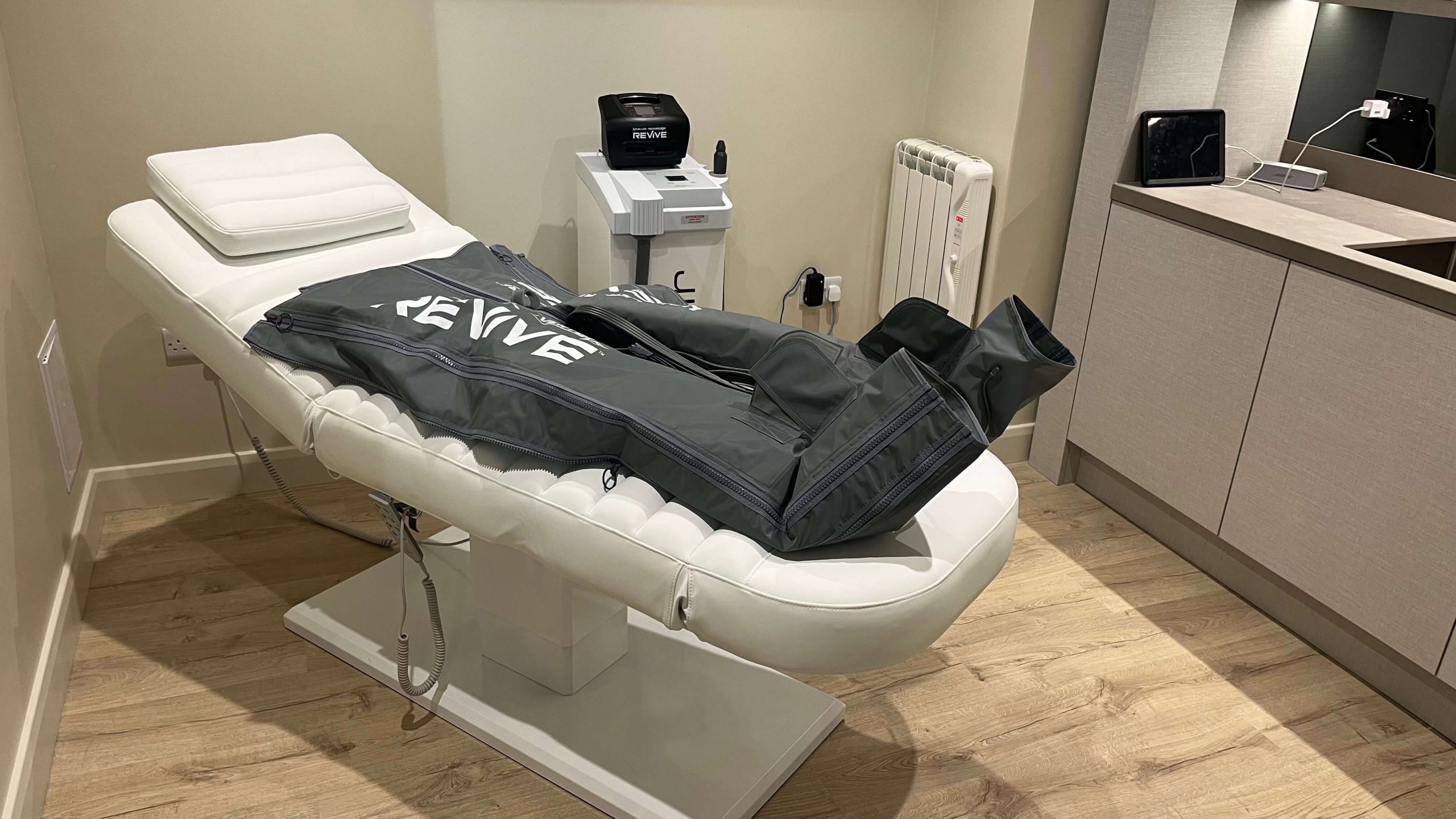
- Compression boots after longer runs.
- Red light during lower-intensity phases or as part of a structured combination.
What keeps them coming back is having something structured and repeatable in place.
People Managing Mental Fatigue
Not everyone visits because of physical strain.
Some come in because their week feels mentally heavy.
- Long screen time
- Decision fatigue
- High-pressure roles
Sessions like hyperbaric oxygen, whole-body cryotherapy, or red light often appeal here for different reasons.
For some, whole-body cryotherapy is used when they want a more immediate uplift during periods of fatigue or mentally heavy weeks. Others are drawn to hyperbaric oxygen or red light because the session creates a defined block of time away from screens, decisions, and constant input.
It creates a structured pause within the day – calm, contained, and clearly defined.
Not sure which Brysk session fits you best?
If you’d rather talk things through before booking, the Brysk team are happy to answer questions – from which session may suit your week to how different treatments can work together.
No pressure. No obligation.
People Who Prefer Structured Environments
This is subtle – but important.
Brysk operates as a guided studio rather than a self-service space. Sessions are supervised where appropriate, and suitability is discussed before you begin.
You’re guided rather than left to figure it out alone.
That tends to attract people who value:
- Clear structure
- Calm supervision
- Defined session lengths
- Repeatable routines
Sessions can stand alone or be grouped thoughtfully within the same visit, depending on what your week demands.
It suits people building consistency.
People Who Train – But Also Sit All Day
There’s a specific group who don’t fit cleanly into one box.
- They train hard – but also sit at desks.
- They travel – but try to stay active.
- They care about performance – but aren’t professional athletes.
For them, Brysk becomes a practical bridge between two worlds.
- Localised cryotherapy may be used for targeted tightness.
- Compression boots for heavy legs after travel.
- Red light for steady rhythm within a structured routine.
It becomes a practical bridge between long workdays and consistent training.
Who It’s Probably Not For
It’s equally helpful to clarify this.
Brysk isn’t positioned as:
- A miracle cure
- A one-session transformation
- A substitute for medical treatment
- A high-intensity “extreme wellness” environment
These sessions tend to work best when they’re built into a routine rather than treated as a quick fix.
The people who benefit most are those who build it in consistently, rather than treating it as a one-off experiment.

Thinking About Booking?
If you recognise yourself in any of the groups above, the next step doesn’t need to involve overanalysis.
It’s simply to choose a session that fits your current week.
- You don’t need to commit to everything
- You don’t need a long-term plan on day one
Start with a structured session that fits your current week. Some people begin with one session, others group complementary sessions from the outset. See how it feels. Build from there.
If you’re unsure which session fits your situation, you can:
- Explore the full range of wellness and recovery sessions at Brysk
- Read our guide on how to choose the right wellness and recovery session for you
- Or speak to the team before booking for a quick steer
It tends to make more sense once it becomes part of your rhythm rather than something you analyse each week.
Sometimes a short conversation is all it takes to work out which session makes most sense for your week.