
When a studio offers multiple wellness and recovery sessions, it can feel like you’re expected to understand everything before booking.
- Cryotherapy.
- Red light.
- Hyperbaric oxygen.
- Compression.
- Lymphatic drainage.
Each one has a different setup, different duration, and a different feel. That doesn’t mean you need to study them in detail before booking.
In practice, most people choose based on three simple factors:
- How they feel that week
- How much time they have
- What kind of session experience they prefer
For many first-time visitors, starting with one session is the simplest way to understand what suits you.
Watch: A first visit to Brysk
Marc visits Brysk for the first time and tries multiple sessions, showing how the studio feels before you choose where to start.
Quick filter
Narrow It Down in 20 Seconds
- Do you have under 15–20 minutes and want something energising? → Whole-Body Cryotherapy
- Do you want targeted support for one specific area? → Localised Cryotherapy
- Do you want something calm and easy to build into a routine? → Red Light
- Do you have time for a longer, immersive session? → Hyperbaric Oxygen
- Do your legs feel heavy after long days, office-based work, travel, or training? → Compression Boots
- Do you prefer a gentler, steady compression session? → Lymphatic Drainage
Quick answer
How Most People Decide
There isn’t a universal “best” session.
The right choice usually depends on:
- Whether you feel physically tight or mentally fatigued
- Whether you want something short and stimulating, or steady and low-impact
- How much time you have available
- Whether you prefer a single focused session or something longer and immersive
If you start there, the decision tends to become clearer.
Jump to
A Simple Way to Think About It
Rather than long explanations, here’s a simplified view:
| If You Want… | Session People Often Choose |
|---|---|
| Something short and sharp | Cryotherapy |
| Something steady and low-impact | Red Light |
| Something longer and immersive | Hyperbaric Oxygen |
| Lower-body circulation support | Compression Boots |
| A gentler, controlled session | Lymphatic Drainage |
Individual preferences always matter more than patterns.
Now let’s break it down properly.
Start With How You’re Feeling
Rather than comparing sessions on paper, it’s often easier to ask: what do I need today?
1. Feeling Physically Tight or Want Something More Stimulating?
When you want something more defined and noticeable rather than gentle, cold-based sessions are often the first place people look.
Whole-Body Cryotherapy
Some people lean toward whole-body cryotherapy when they want something short and decisive. The cold exposure is brief and controlled, and the contrast can feel energising.
It tends to suit:
- Busy weeks
- Heavy training blocks
- People who prefer noticeable contrast
If you’re unsure how that experience actually unfolds, our guide to what happens before, during and after cryotherapy walks through it step by step.
Localised Cryotherapy
If you’re dealing with tightness in one specific area rather than full-body fatigue, localised cryotherapy may feel more appropriate.
Instead of stepping into the chamber, the cold stimulus is applied directly to a targeted area. Because it’s focused rather than full-body, it can sit alongside broader sessions without making the overall visit feel excessive.
It often suits:
- Targeted areas of strain
- People who don’t want full-body exposure
- Those combining it with another session
2. Want Something Low-Impact and Easy to Repeat?
Red light sits at the opposite end of the spectrum.
There’s no cold exposure. No pressurised chamber. The sensation is steady and predictable.
It often suits:
- General wellness or recovery weeks
- Lighter training periods
- People building a consistent routine
- Those who prefer calmer sessions
If you’re unsure how it fits into your routine, our guide on how often you should use red light therapy explores typical patterns.
3. Feeling Mentally Drained or Fatigued?
Hyperbaric oxygen is longer and more immersive. The session takes place in a pressurised chamber and requires more time in your schedule.
Some people choose it during demanding work periods, busy phases, or times when they feel more mentally or physically depleted. If you’d like to understand what that session actually involves, our overview of what happens during a hyperbaric oxygen session explains the structure in more detail.
It’s less about contrast and more about a slower, sustained session.
4. When Lower-Body Circulation Is the Focus
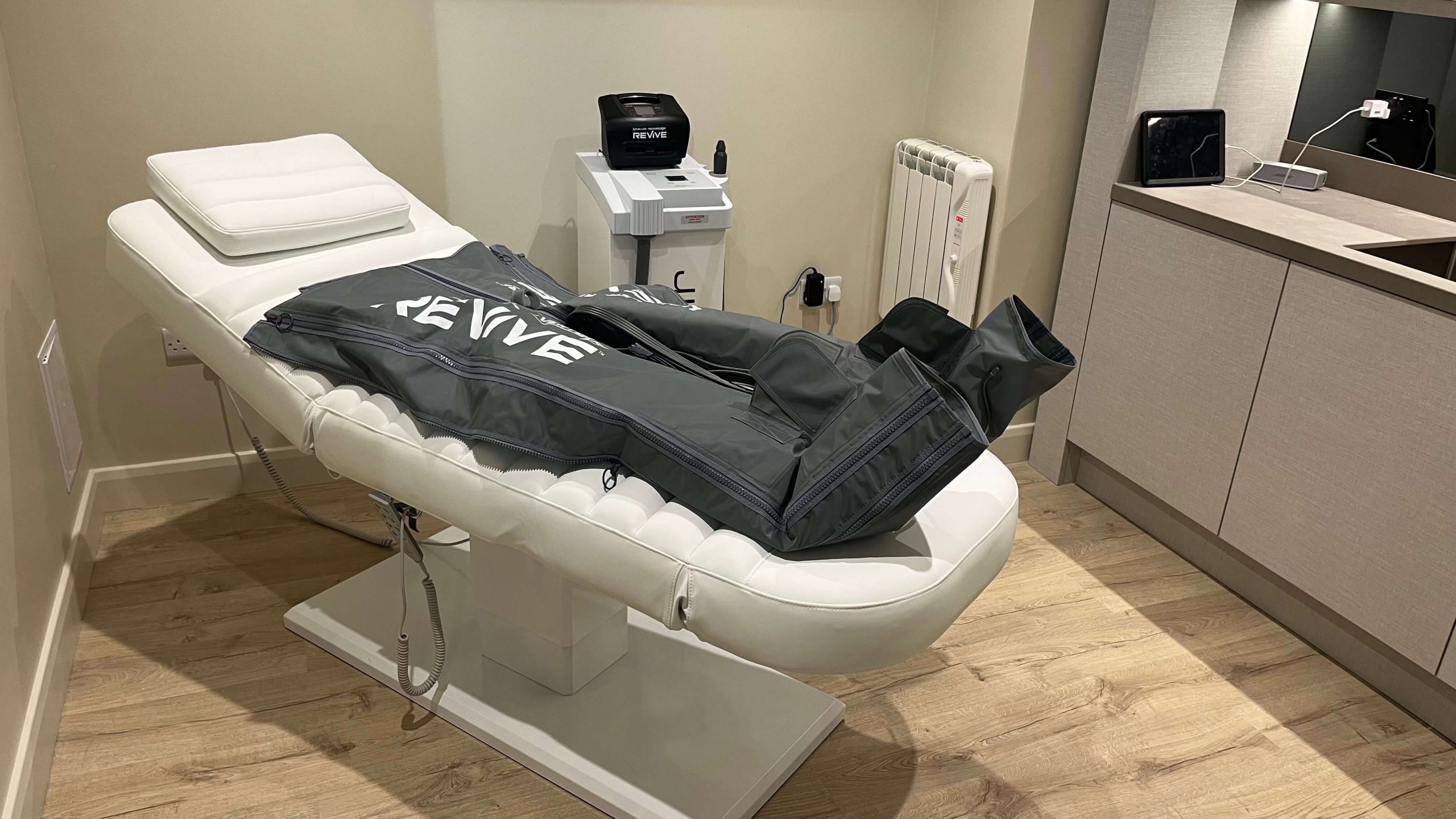
If your legs feel heavy after long days, travel, or training, compression boots are often chosen for their rhythmic air pressure and seated, predictable structure.
They tend to suit:
- Runners
- Gym-goers
- Desk-based professionals
- People on their feet all day
If you’ve never tried them, our guide to what compression boots feel like explains the experience in more detail.
5. If You Prefer a Gentler, Controlled Session
Full-body lymphatic drainage is slower and compression-based rather than temperature-based.
It often appeals to people who:
- Prefer low-intensity sessions
- Want something structured but not stimulating
- Like predictable rhythm over contrast
If you’d like to understand what that session involves, our guide to what happens during a lymphatic drainage session explains the structure clearly.
Not sure which session makes most sense for you?
If you’d rather talk it through before booking, the Brysk team are happy to help you narrow it down based on how you’re feeling, how much time you have, and what kind of session experience you prefer.
No pressure. No obligation.
Time Matters More Than People Expect
Here’s a practical breakdown:
| Session | Time Commitment | Typical Use Case |
|---|---|---|
| Whole-Body Cryotherapy | Short | Tight schedules |
| Localised Cryotherapy | Short | Targeted area support |
| Red Light | Moderate | Routine-friendly session |
| Compression Boots | Moderate | Lower-body circulation |
| Lymphatic Drainage | Moderate | Gentle compression session |
| Hyperbaric Oxygen | Longest | Longer, immersive visits |
If you’d like to see these differences laid out side by side, our comparison guide to cryotherapy, red light and hyperbaric oxygen breaks down how they differ in session length and overall feel.
Sometimes the practical decision is simply the right one.
Think About Sensation Preference
This part rarely gets discussed – but it matters.
Some people find they enjoy:
- Noticeable contrast
- A sharp, defined session
- A quick reset
Others prefer:
- Steady light
- Controlled compression
- Immersive, slower environments
The right choice depends on what feels sustainable for you.
The best routine is the one that feels sustainable, not forced.
Do You Need One Session – or a Combination?
You don’t have to combine sessions.
Some people prefer a single, focused session – particularly when trying a modality for the first time.
During intense training blocks or busy work periods, many people group complementary sessions within the same visit to make their visit more time-efficient and structured. If you’re considering that approach, our guide on combining Brysk sessions explains how sequencing works and which combinations make sense together.
The key is structure – not excess.

A Final Reality Check
You don’t need to solve this alone.
At Brysk:
- Every session is supervised
- Suitability is discussed first
- Sequencing is guided
- Volume is guided rather than encouraged for its own sake.
If you’re unsure which session fits your current week, you’re welcome to speak to the team before booking – or explore each session in more detail.
Choosing the right session should feel structured and manageable – not like a puzzle to solve before you walk through the door.
Sometimes a short conversation is the easiest way to work out what fits your week best.