
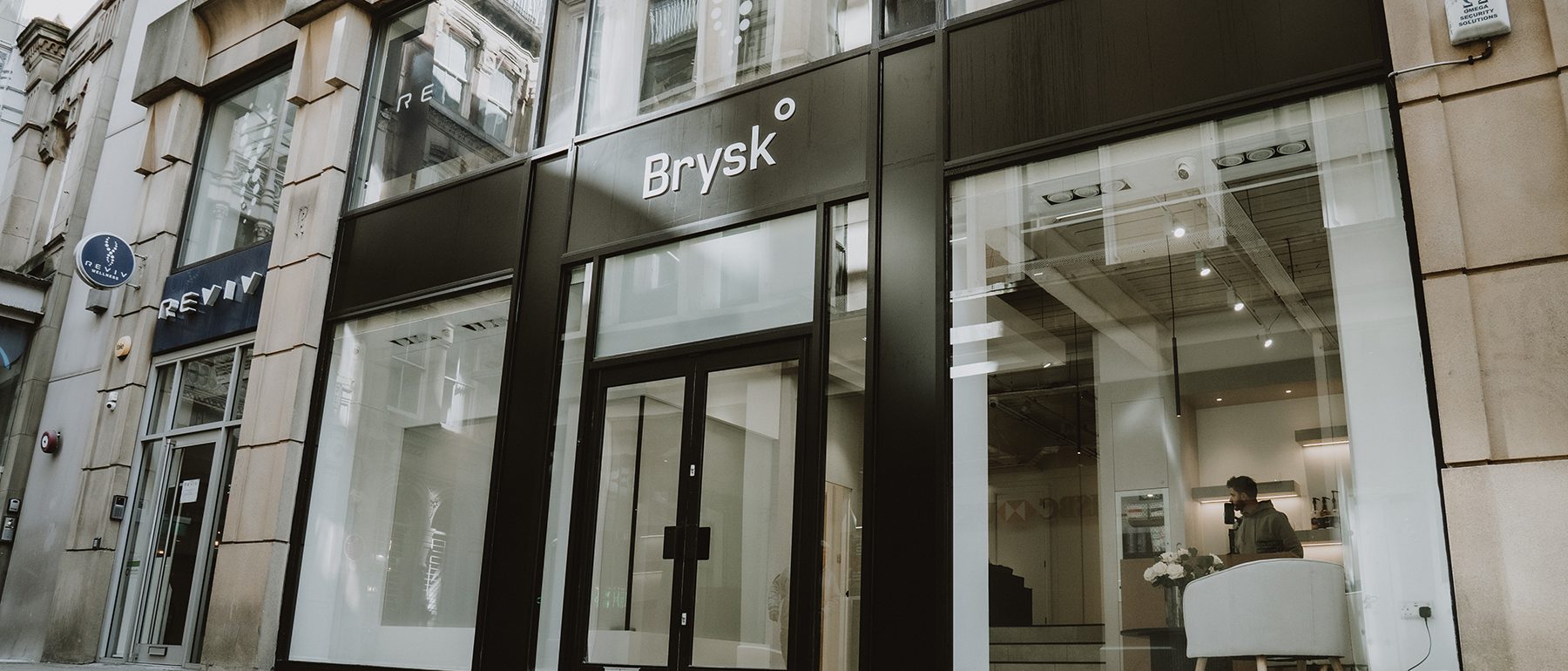
If you’ve never tried cryotherapy before, it’s natural to want to know exactly what happens before, during and after the session.
This guide focuses on wellness and recovery cryotherapy at Brysk in Manchester, including whole body cryotherapy and localised cryotherapy sessions. It does not cover dermatology cryotherapy, cryosurgery, or other specialist medical contexts.
At Brysk, cryotherapy sessions are guided, supervised, and adapted to the individual. There’s no pressure to push limits or “tough it out.”
This guide explains what to expect before your session, how cryotherapy feels during the appointment, and what usually happens afterwards.
Quick answer
What happens during a cryotherapy session?
- You’re talked through the session and suitability is checked before you start
- Whole body sessions are short and guided by surface skin temperature rather than fixed time alone
- Protective gear is provided, fitted, and checked before the session begins
- A team member is present throughout, with clear stop points
- Supervision is constant, with verbal and visual check-ins
After the session, your body warms naturally, your response is checked, and most people return to normal activity straight away.
If you want the full step-by-step breakdown – including what cryotherapy feels like, what happens afterwards, and how Brysk keeps sessions controlled – read on.
Jump to
2. Before and after
3. First session overview
4. Before cryotherapy
5. During cryotherapy
6. Whole body vs localised
7. After cryotherapy
8. Expectations vs reality
9. How many sessions?
10. Is cryotherapy worth it?
11. Why Brysk is different
12. Behind the sessions
13. Common questions
At-a-Glance: What Happens Before, During and After Cryotherapy
If you just want a clear overview before diving into the details, this is what a typical cryotherapy session at Brysk looks like from start to finish.
| Stage | What Happens | What to Expect |
|---|---|---|
| Before | You’re talked through the session and suitability is checked | Calm, guided preparation with no pressure |
| During | Short, supervised cold exposure guided by surface skin temperature | Intense at first, then manageable |
| After | Your body warms naturally and you’re free to move normally | No downtime or recovery period |
Below, we break each stage down in more detail, so you know exactly what the experience feels like at every point – especially if it’s your first time.
Cryotherapy Before and After: What Really Changes?
When people search for “cryotherapy before and after,” they’re often expecting dramatic visual transformation. In reality, whole body cryotherapy is not designed to create immediate visible change. The difference most people notice is how they feel rather than how they look.
- Before cryotherapy, you may feel stiff, fatigued, or simply curious about how the cold will feel.
- After cryotherapy, many people report feeling more alert, refreshed, or physically lighter. There is no downtime, no redness that lasts, and no dramatic visual shift – just a short, controlled experience followed by natural rewarming.
The “before and after” difference is usually subtle and internal rather than cosmetic.
What to Expect From Your First Cryotherapy Session
By this point, you’ve seen the overview. What follows is a closer look at how each stage of a cryotherapy session actually feels – from preparation, to time in the chamber, to what happens once you step out.
At Brysk, sessions are guided carefully and adjusted as needed – particularly for first-time visitors.
The aim is clarity and comfort, not endurance.
Watch: What is whole body cryotherapy?
Nathan gives a quick overview of what whole body cryotherapy involves, how the chamber works, and what first-time visitors can expect.
Before Your Cryotherapy Session
Your cryotherapy experience starts before you step into the chamber.
Suitability and preparation
Before your first session, the team will talk through your goals – whether that’s general recovery, wellbeing, or a specific area you’re working on. Comfort levels and relevant health considerations are discussed openly, and you’ll complete a short medical screening form to make sure cryotherapy is appropriate for you.
You’ll also be guided through how the session works, what the cold is likely to feel like, and how to signal if you want to pause or stop at any point. Nothing moves forward unless you’re comfortable and happy to continue.
The aim isn’t to rush anyone through a standard process. It’s to make sure cryotherapy actually makes sense for you. If it isn’t appropriate, that’s identified early – and without pressure to proceed.
What to wear and pre-session checks
Before entering the chamber, a few simple checks take place to keep the session comfortable and safe. These include:
- Confirming no lotions or creams have been applied
- Ensuring any exposed jewellery is removed or covered
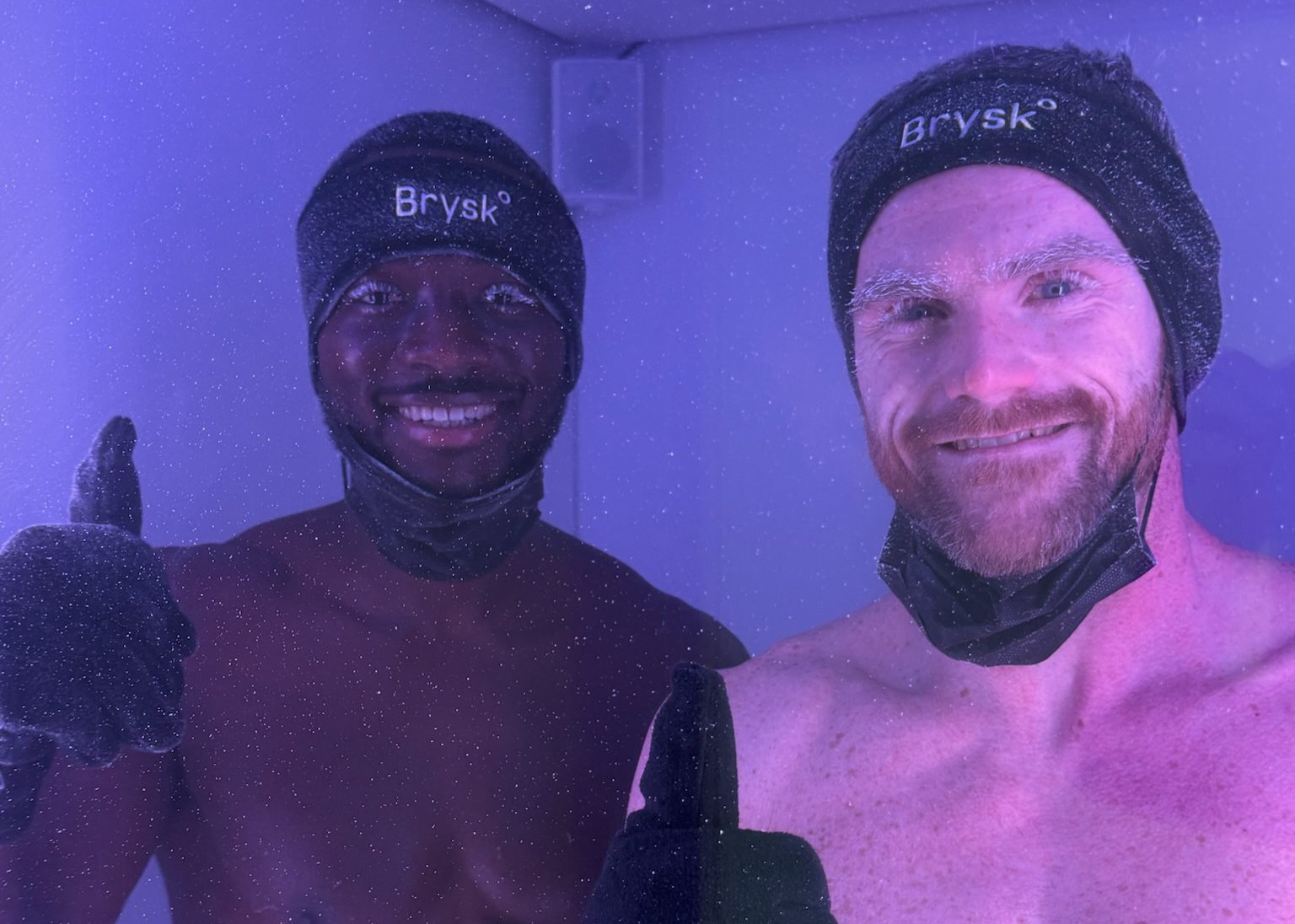
- Providing and checking protective gear, including gloves, socks, footwear, face protection, and headwear
Everything is explained clearly before you start, so there are no surprises. If you’re unsure about anything at any stage, you can ask. First sessions are deliberately unhurried, with time taken to make sure you feel prepared and at ease before stepping in.
During Your Cryotherapy Session
Cryotherapy sessions at Brysk are short, supervised, and controlled.
What it feels like
Most people describe the sensation as:
- Cold but very manageable
- A dry cold that eases you into the session
- Stimulating, and often energising
The cold feels unfamiliar rather than painful for most people. Whole body cryotherapy uses short, controlled dry cold exposure to create a rapid physiological response rather than prolonged cold stress.
During the session, the body responds quickly to the cold stimulus through circulation changes, nervous system activation, and surface cooling. The goal is not endurance – it is creating the intended response in a controlled and repeatable way.
Supervision and control
During your session:
- A member of the team is present throughout
- You’re checked in on verbally and visually
- You can stop the session immediately at any point
You’re never expected to “push through” discomfort. Sessions adapt to how you respond, not the other way around.
First-time sessions are often shorter, with extra explanation and reassurance as needed.
Not sure if cryotherapy is right for you?
If you’d rather talk things through before booking, message the Brysk team directly and ask anything – from suitability to what your first session would feel like. No pressure. No obligation.
Temperature-guided delivery
During whole body cryotherapy, surface skin temperature is checked before and after each session. This is the key indicator used to guide how long exposure needs to last.
For most people:
- The target surface skin temperature response is usually around 5–7°C, and most clients reach this within a standard session
- Three minutes is sufficient for the majority of users
- Time is only increased gradually, and only after experience across multiple sessions
That is because the body’s surface temperature response happens relatively quickly inside the chamber. Staying in longer does not automatically improve the recovery response – it mainly increases cold strain and discomfort.
Changes are always made step by step – fan speed is adjusted before time, and only where appropriate. A small percentage of people with higher cold tolerance or greater muscle mass may require progression, but this is never assumed.
Whole Body vs Localised Cryotherapy: Does the Experience Differ?
Yes. Both sessions use controlled cold exposure, but the experience, temperature profile and purpose are different.
1. Whole body cryotherapy
Whole body cryotherapy exposes the body to very cold, dry air inside the chamber. At Brysk, the chamber operates at –87°C, but sessions are kept deliberately brief because the whole body is exposed at once.
This type of session is often chosen for broader recovery, alertness, general wellbeing, or a full-body reset feeling. The cold is distributed across the body, and the aim is to create a short, system-wide cold response rather than a long endurance challenge.
2. Localised cryotherapy
Localised cryotherapy focuses on a specific area, such as a knee, shoulder, calf, ankle or lower back. Instead of exposing the whole body to cold at once, directed cold air at around –32°C is applied to the area being worked on.
Sessions typically last around 10–20 minutes depending on the area, sensitivity and concern. The cold stimulus is more targeted and gradual than whole body cryotherapy, which makes it better suited to specific areas of stiffness, soreness or post-activity discomfort.
As the area cools, blood vessels near the surface temporarily narrow. As it warms again, circulation changes through natural rewarming. That cold-to-warm response is one reason localised cryotherapy is used as a targeted recovery tool.
3. How this differs from an ice pack
Ice packs and localised cryotherapy both use cold, but they do not deliver it in the same way.
An ice pack uses direct-contact cold. That can feel sharper, more aggressive and sometimes almost burning on the skin if it is held in place too long or used without enough protection.
Localised cryotherapy uses directed cold air at around –32°C, which can be adjusted and applied more precisely than static ice. The aim is not simply to make the area as cold as possible. The aim is to create a useful cold response while keeping the session targeted, tolerable and appropriate.
Whichever option you choose, the approach stays the same: calm delivery, constant supervision and no expectation to push beyond comfort.
After Your Cryotherapy Session
Once the session ends, there’s no rush.
For most people, the immediate “after” stage is simple: your body warms naturally, the team checks your response, and you can return to normal activity straight away.
Immediate sensations
After cryotherapy, people often notice:
- A warming sensation as circulation changes during natural rewarming
- Feeling more alert, stimulated or physically lighter
- Reduced feelings of stiffness or heaviness
- No downtime or recovery period
As the body warms back up after the session, blood flow changes again and many people notice a short-lived “reset” feeling afterwards. For some, this feels energising. For others, it feels calming or mentally clearer.
What to do (and avoid) after cryotherapy
Your team will explain simple aftercare guidance, which typically includes:
- Allowing your body temperature to regulate naturally
- Staying hydrated
- Avoiding sudden extreme heat immediately after, such as very hot showers
There’s no complex routine to follow – just common-sense guidance to let your body respond comfortably.
First-Time Cryotherapy: Expectations vs Reality
It’s completely normal to feel unsure before your first cryotherapy session. For most first-time visitors, those nerves usually come from not knowing what to expect.
What often surprises first-time clients is how different the experience feels compared to what they expected.
| What people expect | What the experience is actually like |
|---|---|
| Long, uncomfortable exposure | Sessions are deliberately short |
| Harsh or overwhelming cold | Intense at first, then surprisingly manageable |
| Feeling “out of sorts” afterwards | Most people feel energised, refreshed, or back to normal almost immediately |
That contrast between expectation and reality is why first sessions at Brysk are always guided and unrushed. Knowing what’s coming makes the experience far more comfortable.
How Many Cryotherapy Sessions Do You Need?
There’s no fixed answer.
Some people try cryotherapy occasionally, others build it into a routine. Frequency depends on:
- Your goals
- How your body responds
- Personal preference
The team at Brysk will help you decide what makes sense, without pressure or preset packages.
If cryotherapy becomes part of your routine, Brysk’s packs and memberships may offer better value than booking single sessions each time.
Is Cryotherapy Worth It?
That depends on what you’re looking for.
Cryotherapy uses short, controlled exposure rather than chasing dramatic overnight change.
Some people find cryotherapy fits well into their recovery or wellbeing routine because the sessions are short, structured, and easy to repeat around real life. Others value the feeling of reduced stiffness, post-training recovery support, or the alertness they notice afterwards.
For localised cryotherapy, the value is often more specific: targeted cold-air application for an area that feels tight, irritated or harder to settle with general recovery alone.
The important thing is understanding what cryotherapy is actually designed to do. It is not a miracle fix or a replacement for sleep, rehab, nutrition or sensible training load management. It is a controlled recovery and wellbeing tool designed to support those things.
The best way to judge whether it’s worth it is to understand what to expect, then try it in an environment where sessions are handled responsibly.
What Makes Cryotherapy at Brysk Different
By this point, you know what a cryotherapy session involves. What really matters is how it’s delivered.
At Brysk, Manchester cryotherapy is approached as a guided recovery experience – not a challenge, and never a one-size-fits-all protocol.
Behind the Sessions at Brysk
Cryotherapy at Brysk is delivered by a trained, hands-on team with experience guiding both first-time and repeat clients through recovery treatments safely and confidently.
Every session is fully supervised, timed appropriately, and adapted to the individual – with clear stop points and no pressure to push beyond comfort. Sessions are guided by surface skin temperature rather than fixed time or extremes.
If something doesn’t feel right, sessions are paused or stopped. That approach is intentional.
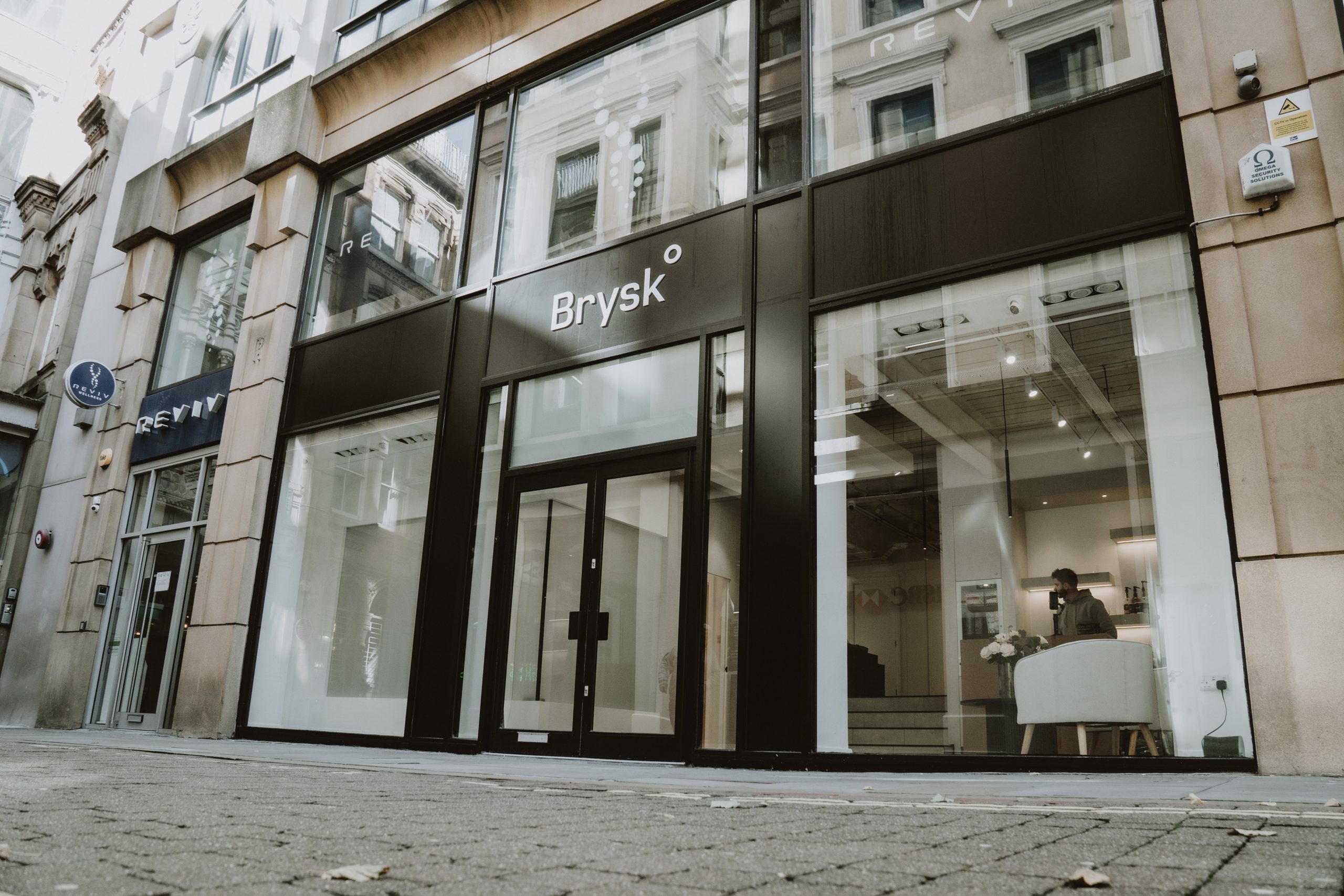
Brysk was built as a Wellness and Recovery Studio in Manchester, where safety, guidance, and long-term wellbeing shape every decision.
Curious how this feels in practice?
Book a session or speak to the team if you’d like guidance before starting.
Cryotherapy Before and After: Common Questions
If you’re researching cryotherapy before booking, these are the most common questions people ask about what happens before, during and after a session.
What should you do before cryotherapy?
Before cryotherapy, avoid applying lotions or oils, remove jewellery, and discuss any relevant health considerations with the team. You’ll complete a short screening form and be guided through what to expect before entering the chamber.
What should you expect after cryotherapy?
After cryotherapy, many people feel alert, refreshed, or gradually warmer as circulation changes during natural rewarming. There is no downtime, and you can resume normal activity immediately.
Does cryotherapy change your appearance?
Cryotherapy is not designed to create dramatic visible “before and after” changes. The effects are typically internal – how you feel rather than how you look.
How long do cryotherapy effects last?
The duration varies by individual. Some people feel immediate alertness that lasts several hours, while others incorporate sessions into a regular recovery routine.
Is there any downtime after cryotherapy?
No. Cryotherapy sessions are short and controlled, and most people return to normal activity immediately after their session.