If you’re new to Brysk’s wellness and recovery sessions, the options can feel similar at first glance.
- Cryotherapy.
- Red light therapy.
- Hyperbaric oxygen.
All are delivered in a calm studio setting and structured in a similar way. The experience inside each session, however, is very different.
They aren’t interchangeable in how they feel or how they fit into a routine, and understanding why makes the decision easier.
Each one creates a different stimulus and lasts a different length of time. Those differences shape how the session feels – and how it fits into your routine.
Quick answer
How They Differ
- Cryotherapy is short, cold and stimulating.
- Red light is low-impact, warm and steady.
- Hyperbaric oxygen is longer, immersive and pressure-based.
Each serves a different purpose depending on your routine, goals, and schedule.
Jump to
At a Glance: How They Compare
If you prefer to see the differences side by side, here’s a simple breakdown of how each session tends to feel in practice.
| Session | Session Length | Sensation | Overall Feel |
|---|---|---|---|
| Cryotherapy | Short | Cold, sharp | Focused, energising |
| Red Light | Moderate | Warm, steady | Calm, repeatable |
| Hyperbaric Oxygen | Longest | Pressurised, immersive | Slower, sustained |
What usually separates them isn’t just the sensation – it’s how they fit into your week and what you’re hoping to get out of the session.
Cryotherapy suits tight schedules. Red light works well as a consistent reset. Hyperbaric oxygen requires more time, but offers a longer, immersive session.
Watch: Trying multiple Brysk sessions in one visit
A first-time visitor tries compression, red light therapy and whole body cryotherapy at Brysk, showing how different each session feels in practice.
How Cryotherapy Sessions Feel
Whole-body cryotherapy is the shortest of the three sessions.
You step into a purpose-built chamber for a brief, controlled cold exposure. The temperature is low, the air is dry, and the session is supervised throughout.
The sensation is sharp at first. For most people, it feels intense but manageable. Because the session is short, the experience tends to feel focused and energising rather than draining.
Many clients describe leaving the chamber feeling alert and switched on.
Session length is tightly controlled and guided.
People often choose cryotherapy during:
- Heavy training blocks
- Periods of physical tightness
- Weeks where they want something short and energising
It feels noticeably different to the other two.
When paired with other modalities, red light is often delivered before cryotherapy at Brysk. Beginning with red light allows the body to ease into the visit before introducing a short, controlled cold stimulus.
For a more detailed look at what happens step by step, you can read our guide on what happens before, during and after cryotherapy. Understanding the structure of the session often removes any uncertainty around the cold exposure itself.
How Red Light Sessions Feel
Whole-body red light sessions feel calmer by comparison.
You stand or sit within a full-body light setup, with no cold exposure and no pressurisation. The light itself feels gentle and steady. There is no dramatic physical sensation.
Sessions are longer than cryotherapy but shorter than hyperbaric oxygen. Many people describe the experience as grounding or easy to fit into a routine.
Red light is often chosen during:
- General wellness or recovery weeks
- Lower-intensity training periods
- Times when people want something low-impact and consistent
It doesn’t feel dramatic. That is often the point.
Because the sensation is low-impact, red light therapy is often built into a regular routine – either as a standalone session or grouped with other modalities within the same visit. If you’re wondering how often that makes sense, our guide on how often you should use red light therapy explores typical patterns in more detail.
How Hyperbaric Oxygen Sessions Feel
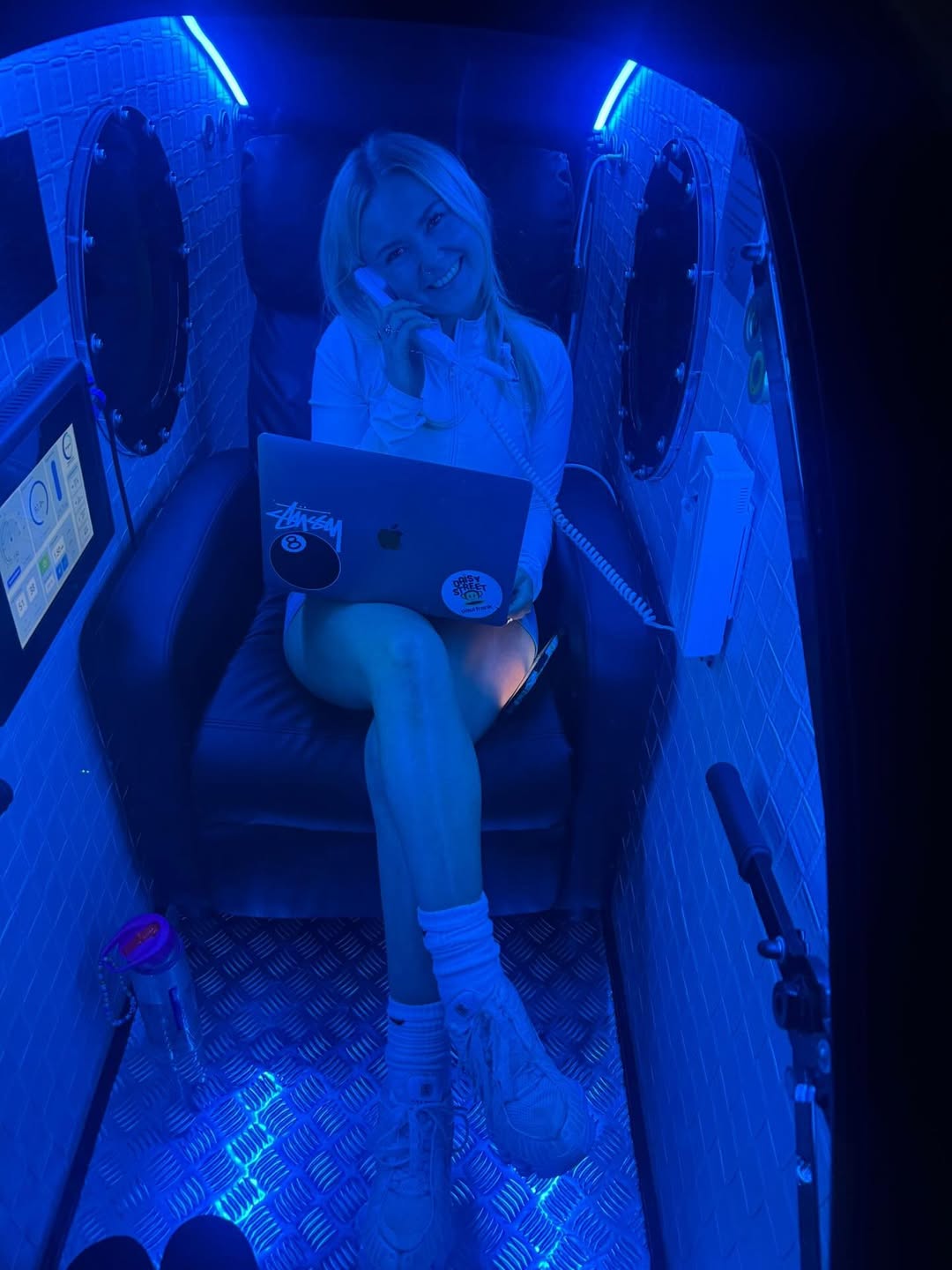
Hyperbaric oxygen is the longest and most immersive of the three.
You enter a pressurised chamber and remain inside for a sustained period while oxygen levels are elevated. The environment is calm and structured. There is no cold exposure, and no active movement.
Because of the duration and pressurisation, the experience feels different to both cryotherapy and red light. It is less about sharp stimulus and more about sustained exposure.
People tend to choose hyperbaric oxygen during:
- Periods of accumulated fatigue
- Busy work cycles
- Recovery phases where longer sessions feel appropriate
It requires more time, but many find that the slower pace suits certain weeks better than a shorter, sharper session.
As with all Brysk services, it is delivered as a wellness support session rather than a medical intervention or treatment.
If you’d like a clearer picture of what that session involves from start to finish, we’ve outlined what happens during a hyperbaric oxygen session in more detail.
Not sure which session fits your week best?
If you’d rather talk it through before booking, the Brysk team are happy to help you compare session types based on how you’re feeling, how much time you have, and what kind of experience you prefer.
No pressure. No obligation.
The Difference in Time Commitment
Time is often the deciding factor.
- Cryotherapy is brief. It can fit into a tight schedule.
- Red light requires slightly longer but still works well within a standard visit.
- Hyperbaric oxygen demands the most time and planning.
For busy professionals or those balancing training and work, this difference matters as much as the physiological stimulus itself.
When People Typically Choose Each One
There isn’t a rigid formula, but patterns do emerge.
- Cryotherapy is often chosen when people want something short and stimulating.
- Red light is commonly chosen for steady, repeatable sessions, and some people also build it into a broader wellness or skincare routine.
- Hyperbaric oxygen is selected when time allows for a longer, immersive appointment.
Some people rotate between them across a month. Others stick to one consistently.
The right choice usually comes down to what fits your current week.
Many people start with one session to understand how it feels before exploring other options over time.
Some people lean toward cryotherapy when they want a sharper physical reset or a more energising session. Others gravitate toward hyperbaric oxygen during mentally demanding periods. Red light often sits comfortably in between – steady, repeatable and easy to maintain.
Can You Use More Than One?
Yes – and many people do.
Some rotate between cryotherapy, red light and hyperbaric oxygen across a month. Others group complementary sessions within the same visit when time allows.
What matters is structure and sequencing.
At Brysk, combinations are guided rather than improvised. Adding complementary modalities can be practical during busier or more demanding phases, particularly when time allows for a structured visit.
Matching the Session to Your Current Goal
While every person responds differently, most people find their choice becomes clearer when they focus on what they want from the session.
For example:
- If you’re looking for something short and physically stimulating, cryotherapy often appeals.
- If you want something steady, low-impact and easy to build into a regular routine, red light tends to suit.
- If you have time for a longer session and want something immersive, HBOT may feel appropriate.
The goal isn’t to pick the most dramatic option. It’s to choose the session that aligns with your energy, schedule and current demands.
Which One Is Right For You?
Rather than asking which session is “best”, it’s usually more helpful to ask:
- Do I want something short and stimulating?
- Do I want something steady and low-impact?
- Do I have time for a longer, immersive session?
Cryotherapy, red light and hyperbaric oxygen each sit in a different place on that spectrum.
If you’re unsure, you don’t need to decide alone. Explaining how you’re feeling – physically or mentally – is often enough for the team to guide you toward something appropriate.
Frequently Asked Questions
When comparing Brysk sessions, a few practical questions usually come up first. These are the ones we’re asked most often.
Is cryotherapy more intense than red light?
Yes, in terms of sensation. Cryotherapy involves brief cold exposure, which feels sharper and more stimulating. Red light feels gentler and steadier by comparison.
Does hyperbaric oxygen feel relaxing?
Many people describe it as calm due to the slower pace and enclosed, structured setting.
Can you rotate between cryotherapy, red light and hyperbaric oxygen?
Yes. Some people use different modalities at different points in the month, depending on workload, training, how they feel, or their current wellness and recovery goals.

Choosing the Right Session at Brysk
Each modality has its place.
- Cryotherapy is short and stimulating
- Red light is steady and low-impact
- Hyperbaric oxygen is longer and immersive
The right choice depends on how you’re feeling, how much time you have, and what kind of session fits your current week.
If you’re unsure where to start, you’re welcome to speak to the team before booking.
Every session at Brysk is structured and supervised, with suitability discussed first.
If you have any specific medical considerations, it’s always worth reviewing our safety guidance before booking.
Choosing the right session should feel clear, not complicated.
Sometimes a short conversation is the easiest way to work out which session fits your week best.