One of the most common questions people ask after visiting Brysk is straightforward:
If there are multiple sessions available, can they be combined?
Yes – sessions at Brysk are often grouped within a single visit.
Many clients choose structured combinations so they can support more than one goal efficiently, whether that relates to wellness, performance, relaxation, or recovery.
At Brysk in Manchester, combining sessions is normal – and carefully planned. Different stimuli are sequenced based on how you’re feeling and what you’re looking to achieve that day.
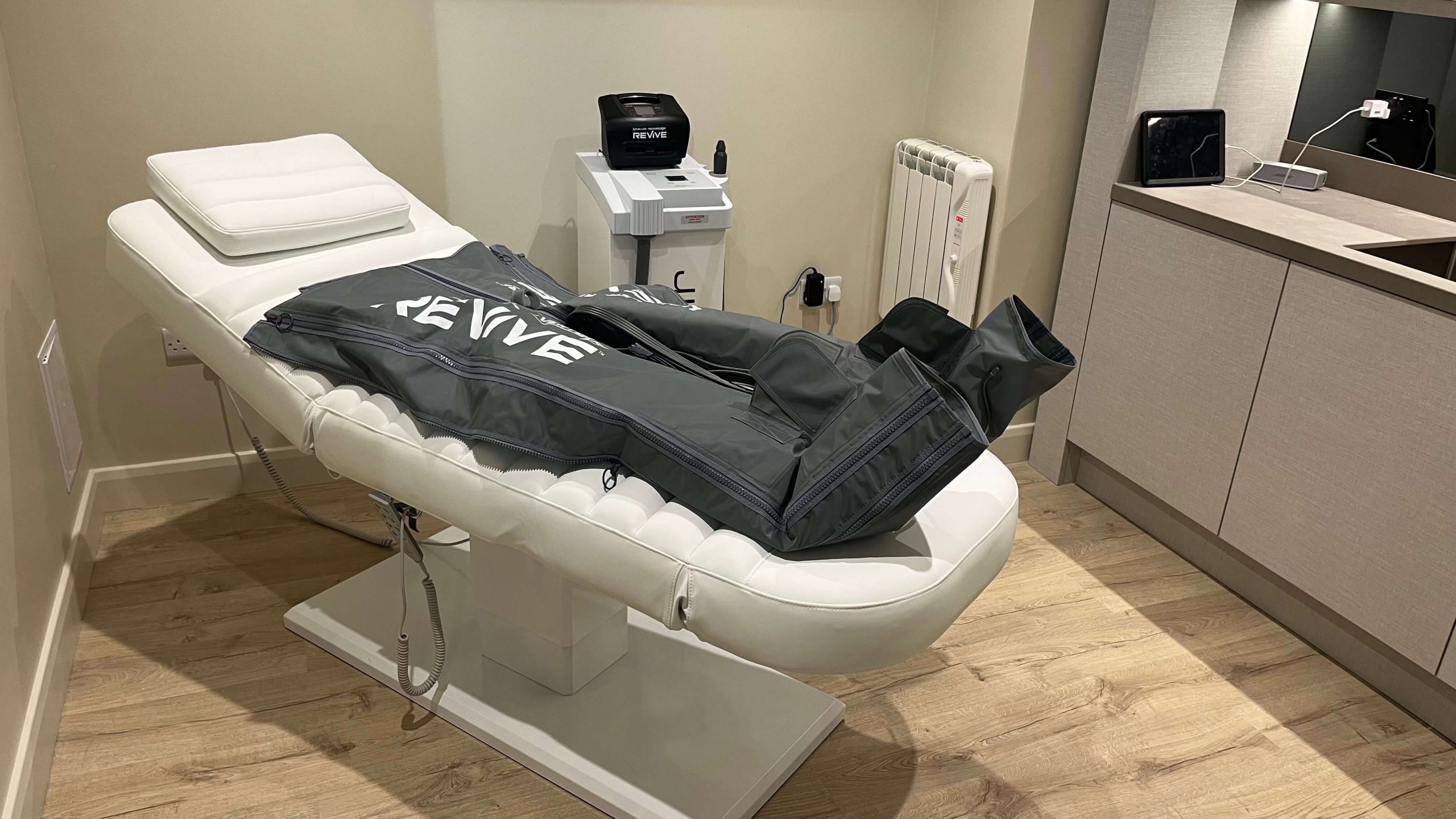
Because Brysk offers whole body cryotherapy, red light therapy, hyperbaric oxygen, compression boots, lymphatic drainage and localised cryotherapy under one roof, grouping sessions can be practical and time-efficient. The key is keeping the visit clear, well-sequenced, and suitable.
Watch: How Brysk sessions can work together
See how different Brysk recovery sessions can fit into one visit, from compression and red light to cryotherapy and wider recovery support.
Quick answer
Can You Combine Sessions at Brysk?
Yes – multiple sessions can be grouped within the same visit at Brysk.
Many clients combine two or three different modalities in one appointment, particularly during demanding training blocks or busy work periods. Sessions are planned so that different stimulus categories – such as cold, light, oxygen or compression – can complement each other when sequenced properly.
What matters is:
- Your goal (wellness, focus, fatigue, circulation, recovery, etc.)
- How much time you have
- How your body responds to different stimuli
- Suitability on the day
Combining sessions is common, but it’s always guided. The team will advise on sequencing and whether certain modalities are better grouped or spaced out.
A single focused session is always an option, but many people choose structured combinations when they want broader support in one visit. Both approaches are valid – what matters most is that it feels appropriate and repeatable.
Jump to
Why People Combine Sessions at Brysk
People usually consider combining sessions during periods where physical or mental load increases, such as:
- Intense training blocks or competition prep
- Busy or mentally demanding work periods
- Weeks involving travel or disrupted routines
- Periods of physical tightness or accumulated fatigue
When life becomes more demanding, recovery often needs to become more deliberate.
Each Brysk service introduces a different type of stimulus. Cold exposure, light therapy, oxygen sessions and compression-based treatments support the body in distinct ways. When grouped thoughtfully, they can complement each other within a single visit.
At Brysk, combining sessions isn’t about doing more for the sake of it. Sessions are structured around what your week looks like. The emphasis is always on guidance, sequencing and keeping sessions appropriate rather than excessive.
Common Treatment Combinations – And Why They’re Used
Below are examples of pairings people commonly ask about.
1. Cryotherapy + Red Light Therapy
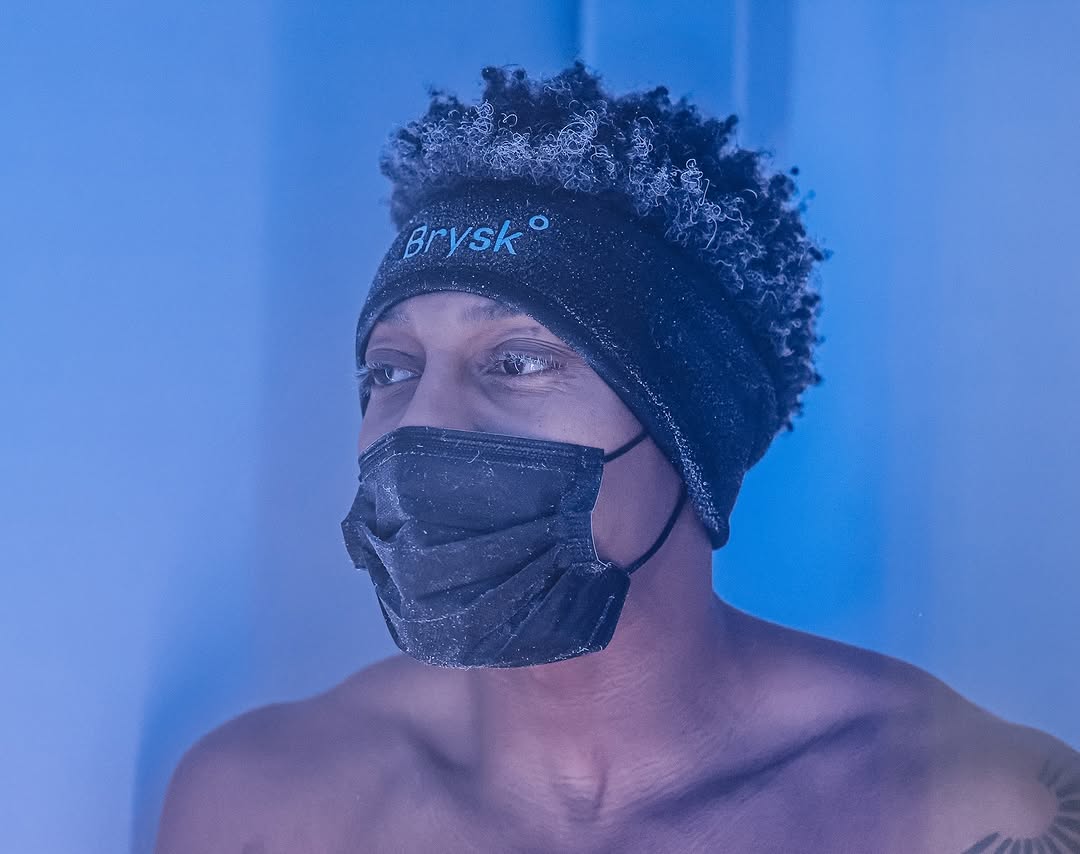
At Brysk, red light therapy is typically delivered first, followed by whole body cryotherapy.
Red light sessions are calm, full-body exposures designed to support circulation and cellular energy. Beginning with red light allows the body to warm and prepare before introducing a short, controlled cold stimulus.
Cryotherapy is then delivered as a brief, supervised exposure to dry cold air. Finishing with cryotherapy often leaves clients feeling energised and clear-headed – a response many people prefer at the end of their visit.
The order matters. Red light first, then cryotherapy, allows the body to respond naturally to cold without immediately layering another stimulus on top. Sessions are structured so the experience feels deliberate rather than rushed.
This pairing is commonly chosen during demanding weeks where both physical recovery and mental reset feel important.
If you’re unsure what either session involves individually, you can explore our guide to what happens before, during and after cryotherapy, or our overview of how often red light therapy is typically used.
2. Cryotherapy + Compression Boots
Another common pairing is cryotherapy followed by compression boots.
Cryotherapy stimulates a whole-body response. Compression boots focus more specifically on lower-body circulation using rhythmic air pressure. This combination is often used by runners, gym-goers, or people who spend long days on their feet.
Compression sessions are seated and predictable in rhythm, which often makes them a natural follow-up to cold exposure.
If you’ve never tried compression boots before, our guide on what compression boots feel like explains the sensation and structure of a session in more detail.
3. Hyperbaric Oxygen + Red Light
When combining hyperbaric oxygen therapy with red light therapy, sequencing is guided by structure and timing.
Hyperbaric oxygen sessions are longer and more immersive, often forming the core of a visit. Red light therapy, being shorter and low-impact, can be delivered either before or after depending on the overall schedule.
At Brysk, red light is commonly delivered first, followed by oxygen. Beginning with red light allows clients to ease into the visit before moving into the longer, pressurised oxygen session.
Hyperbaric oxygen therapy is typically described as calm and clarity-focused. When paired thoughtfully, red light offers a shorter, full-body session that complements that experience without adding intensity.
This combination is more common during extended periods of physical or mental load, rather than for short-term soreness.
If you’d like to understand how oxygen sessions are structured from arrival through to decompression, you can read our full guide to what happens during a hyperbaric oxygen session.
Not sure which sessions make sense together?
If you’d rather talk it through before booking, the Brysk team are happy to help you work out which combinations fit your week, your goals, and the kind of session experience you prefer.
No pressure. No obligation.
4. Lymphatic Drainage + Localised Cryotherapy
This pairing is less common, but it can make sense in specific situations.
When combining full body lymphatic drainage with localised cryotherapy, lymphatic is delivered first, followed by targeted cold.
Lymphatic drainage is a calm, compression-based session designed to support circulation and fluid movement across the body. Localised cryotherapy is then used to focus on a specific area of tightness or post-activity discomfort.
Sequencing matters. Delivering lymphatic drainage first allows the session to remain gentle and steady, with localised cryotherapy used at the end as a more focused stimulus.
Because both treatments take place in the same room, this combination can be practical when someone wants broader support alongside targeted work in a single visit.
We rarely recommend pairing lymphatic drainage with compression boots in the same appointment, as they follow a similar approach. In most cases, one compression-based modality is sufficient.
If you’re new to lymphatic sessions, our guide to what happens during a lymphatic drainage session explains what to expect before considering combining it with another treatment.
5. Localised Cryotherapy + Broader Sessions
Localised cryotherapy can be combined with broader sessions when support is needed in a specific area.
In most cases, targeted cold is delivered first, followed by a broader modality such as compression boots or red light therapy. After localised cryotherapy, surface temperature is allowed to return to baseline before moving into the next session. This is always checked and only takes a few minutes.
Because localised cryotherapy focuses on a specific muscle or joint area, it can sit comfortably alongside full-body sessions without making the overall visit feel excessive.
For example, someone might choose red light therapy or compression boots for broader support, alongside a short localised cryotherapy session for a particular area that feels tight or overworked.
As with all combinations at Brysk, sequencing is guided and suitability is discussed before the session begins.
Does Session Order Matter?
In many cases, yes.
The order of sessions can influence how the visit feels, even when the treatments themselves remain the same. Sequencing affects energy levels, pacing, and how the body responds to different types of stimulus.
At Brysk, order is guided rather than left to guesswork. Sequencing is shaped by your goal, how you’re feeling on the day, and the practical structure of the visit.
Some general patterns include:
- Red light therapy is often delivered earlier in a visit, with cryotherapy following.
- Hyperbaric oxygen therapy typically anchors the appointment due to its longer duration.
- Compression boots are often used either at the beginning of a visit as a steady entry point, or at the end as a lower-intensity finish.
- On colder days, some clients prefer finishing with red light therapy for a warmer exit.
There isn’t one rigid formula. What matters is that sessions are sequenced thoughtfully and delivered in a way that feels appropriate and repeatable.
Because cryotherapy is deliberately short and response-led, its timing within a visit is carefully controlled. If you’d like to understand how session length and temperature response are managed, we’ve explained that in more detail in our guide to cryotherapy session structure.
Can You Combine Everything In One Visit?
Not always – and for many people, that wouldn’t be necessary.
While some sessions can be combined during a single visit, it depends on:
- Time available
- Your recovery goal
- How you’re feeling that day
- Suitability considerations
More isn’t automatically better. Sessions work best when they’re measured, well-sequenced, and repeatable.
For most people, grouping two or three structured sessions into one visit is more practical than returning multiple times during the week.
How Many Sessions Is Too Many?
There isn’t a fixed number – it depends on how sessions are combined.
Many clients group two or three different modalities into one visit, particularly when combining across different stimulus categories such as:
- Cold (whole body or localised cryotherapy)
- Light (red light therapy)
- Oxygen (hyperbaric oxygen therapy)
- Compression-based sessions
What we generally avoid is doubling up similar approaches in the same appointment. For example:
- Whole body and localised cryotherapy back-to-back
- Lymphatic drainage and compression boots together
In most cases, one compression-based modality or one cold-based modality within a visit is sufficient.
A good routine works best when it feels structured and repeatable. Adding different categories together can make sense. Layering similar stimuli often does not.
For some people:
- Two sessions in a visit feels ideal
- Three sessions is common during busier periods
- Larger combinations are considered case-by-case
The aim isn’t to do everything at once – it’s to build a routine that feels manageable and sustainable.
How Brysk Guides Sequencing
Every session at Brysk is structured and supervised. Suitability is discussed before you begin, and combinations are planned rather than improvised.
If you’re considering grouping multiple sessions, the team will guide you through:
- Which stimulus makes sense first
- How different modalities complement each other
- How your schedule and energy levels factor in
- Whether two or three sessions in one visit feels appropriate
Sequencing is planned around clarity and comfort.
Combining Sessions in a Supervised Setting
At Brysk, sessions are delivered within a controlled, guided environment. That becomes even more important when modalities are combined.
Rather than simply adding treatments together, the focus is on:
- Clear reasoning behind the order
- Monitoring how you respond
- Adjusting if needed
- Keeping sessions repeatable and sustainable
The aim is structured progress – not randomness.
When Combining Might Not Be Appropriate
There are occasions where keeping things simple makes more sense.
For example:
- Combining whole body and localised cryotherapy within the same visit
- Pairing multiple compression-based sessions back-to-back
Doubling up similar modalities rarely adds meaningful value in a single appointment.
Sessions at Brysk are not medical treatments, and suitability is always considered before combinations are structured. If a particular combination doesn’t feel appropriate on the day, the plan is simply adjusted rather than expanded.
Before booking multiple sessions, you can review our full Safety & Contraindications guidance to ensure each treatment is suitable for you.
Frequently Asked Questions About Combining Sessions
Before combining sessions, most people have a few practical questions. Here are the ones we’re asked most often.
Can I do cryotherapy and hyperbaric oxygen on the same day?
Yes – many clients combine cryotherapy and hyperbaric oxygen within the same visit.
Because hyperbaric oxygen sessions are longer, they often anchor the appointment, with cryotherapy delivered either before or after depending on structure and timing. The team will guide sequencing so the combination feels balanced rather than rushed.
Should I do red light before or after cryotherapy?
At Brysk, red light therapy is most commonly delivered before cryotherapy.
Beginning with red light allows the body to warm and prepare before introducing cold. Cryotherapy then provides a short, controlled stimulus that often leaves clients feeling energised at the end of their visit.
Sequencing is always guided, but red light first followed by cryotherapy is the usual structure.
Is it better to combine sessions in one visit or spread them out?
For most people, grouping sessions within a single visit is more practical and time-efficient.
Many clients combine two or three modalities at once so they can support multiple goals without needing to return several times per week. When structured properly, combining sessions can feel focused and efficient rather than excessive.
Can I combine multiple treatments every week?
Yes – many clients do.
During demanding training cycles or busy work periods, combining sessions weekly can form part of a structured routine. Some people front-load sessions during a more intensive block, then reduce frequency once that period passes.
Others maintain a steady rhythm throughout the year.
Consistency tends to make the biggest difference over time. Combining sessions weekly is entirely possible when sequencing is structured and the overall routine feels manageable.
Not Sure What To Pair?
You don’t need to arrive with a fixed plan.
Some people know exactly which sessions they want to group together. Others prefer to explain how they’re feeling and let the team structure the visit accordingly.
If you’re new, starting with one session is an option – but many first-time clients comfortably combine two modalities within the same appointment once suitability has been discussed.
The aim is clarity.
Whether you choose a single session or a structured combination, sessions at Brysk are designed to fit into your routine in a way that feels deliberate, calm and repeatable.
If you’re unsure which treatments make sense together, you’re welcome to ask before booking – or explore the full range of wellness and recovery sessions available at Brysk in Manchester.
Sometimes a short conversation is the easiest way to work out what to pair and what to keep simple.