
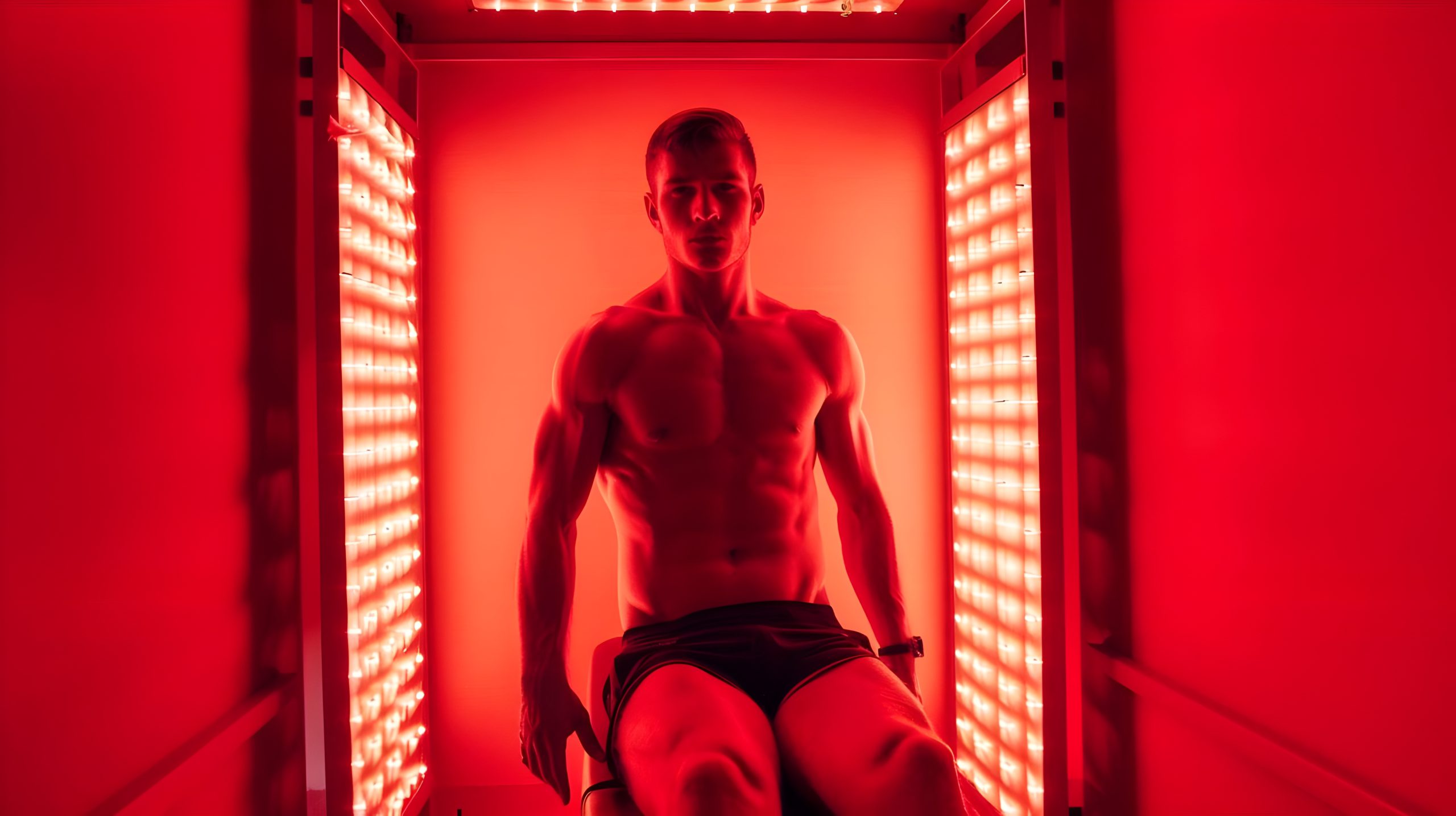
Red light therapy is generally considered a low-risk, non-invasive session when it is used properly and delivered with sensible guidance.
Unlike tanning beds or strong sun exposure, red light therapy does not use ultraviolet light. Brysk’s whole body red light therapy sessions use professional red and near-infrared panels in a guided, UV-free studio setting in Manchester.
That does not mean red light therapy is automatically right for everyone.
Like any wellness or recovery session, safety depends on suitability, session length, device quality, and how the treatment is used.
This guide explains where red light therapy is generally considered low risk, where caution is needed, and when medical advice should come first.
Watch: What red light therapy feels like at Brysk
See the full-body red light setup at Brysk and get a clearer feel for how calm, warm, and non-invasive the session is in practice.
Quick answer
Is red light therapy safe?
Red light therapy is generally well tolerated when used as directed. It is non-invasive, UV-free, and does not involve needles, freezing temperatures, medication, or physical manipulation.
At Brysk, whole body red light therapy sessions are:
- 15 minutes long
- Delivered using professional full-body red and near-infrared panels
- Guided by the Brysk team
- UV-free
- Designed to feel gentle, warm, and comfortable for suitable clients
You should be more cautious if you have a photosensitivity disorder, take medication that increases light sensitivity, have active skin infection, are pregnant, have a history of skin cancer without medical sign-off, or have uncontrolled epilepsy.
If you are unsure, ask Brysk before booking. If the question is medical, seek advice from an appropriate healthcare professional first.
Jump to
2. Different from UV light
3. How it works without UV
4. Safe for skin?
5. Eye safety
6. Side effects
7. Who should avoid it?
8. Pregnancy
9. Medication
10. Darker skin tones
11. Skin conditions
12. Safe at home?
13. Can you overuse it?
14. Is it safe?
15. FAQs
16. Book in Manchester
Red Light Therapy Safety: At a Glance
Before going deeper, here is the simple version.
| Safety question | Short answer |
|---|---|
| Is red light therapy UV-free? | Yes. Red light therapy does not use ultraviolet light. |
| Is it invasive? | No. There are no needles, injections, freezing temperatures, or physical manipulation. |
| Does it hurt? | It should not hurt. It is usually described as warm, calm, and comfortable. |
| Can it irritate the skin? | Mild temporary warmth or redness can happen, but significant reactions are uncommon when sessions are used appropriately. |
| Do you need eye protection? | Brysk will guide you before the session. Eye comfort and session setup should always be taken seriously. |
| Is it safe for everyone? | No. Some people should avoid it or get medical clearance first. |
| Is it a medical treatment? | No. At Brysk, it is offered as a wellbeing and recovery support session. |
Red light therapy is usually considered low risk, but suitability still matters.
Why Red Light Therapy Is Different From UV Light
One of the most important safety points is that red light therapy is not the same as tanning or sunbathing.
Tanning beds and strong sun exposure involve ultraviolet light, which is linked with skin damage and increased skin cancer risk. Red light therapy is different because it uses red and near-infrared wavelengths rather than ultraviolet light, which is the type of light associated with sunburn and tanning-bed skin risk.
At Brysk, whole body red light therapy uses red and near-infrared light in a controlled studio setting. The aim is not tanning, burning, or intense heat.
That is why the session usually feels gentle. Most people describe it as warm, calm, and easy to sit through, rather than hot, sharp, or intense.
It still needs to be used appropriately, but it should not be confused with UV exposure.
How Red Light Therapy Works Without UV
Red light therapy uses red and near-infrared wavelengths rather than ultraviolet light.
These wavelengths are often discussed in relation to cellular energy production, particularly the way light may interact with mitochondria. Mitochondria are often described as the energy-producing parts of cells, and ATP is the energy currency those cells use.
In practical terms, this is why clients often use it as a steady support for muscle recovery, calmer-feeling joints, skin quality, and low-impact recovery days. The aim is not to burn, tan, heat aggressively or force an instant change. It is to provide measured light exposure that may support normal cellular processes over time.
That is also why session structure matters. Wavelength, distance, exposure time, device quality and frequency all affect the experience. More light is not automatically better.
Is Red Light Therapy Safe for Skin?
For most suitable people, red light therapy is generally well tolerated when used correctly.
The American Academy of Dermatology states that red light therapy appears safe in the short term, but also notes that long-term effects on the skin and hair are not fully known. It also recommends following device directions and choosing FDA-cleared devices for at-home use.
There is some clinical evidence suggesting LED red light can be well tolerated by the skin under controlled conditions, but tolerance can vary depending on skin type, dose, device, and protocol.
That evidence is useful, but it does not make every device, protocol, or person the same.
Different devices, wavelengths, exposure times, distances, and skin types can all change the picture. A guided full-body studio session is different from using an at-home device without clear instructions, correct distance, or sensible timing.
At Brysk, that is why sessions are kept structured, guided, and routine-friendly. Red light therapy is not about chasing maximum exposure. It is about using a sensible session format consistently.
Can Red Light Therapy Damage Your Eyes?
Eye safety is one of the most common questions people ask before trying red light therapy.
Red light therapy is not the same as staring into the sun or a UV tanning lamp, but bright light exposure should still be treated with care. Cleveland Clinic’s LED light therapy guidance recommends wearing eye protection and following instructions when using LED devices.
At Brysk, the team will guide you before your session so you know what to expect and how the setup works.
The key point is simple: do not stare directly into bright light panels, and follow the guidance given for the session.
If you have an eye condition, recent eye surgery, light sensitivity, or specific concerns about your vision, it is sensible to seek medical advice before booking.
What Are the Side Effects of Red Light Therapy?
Most people tolerate red light therapy well, especially when sessions are short and delivered appropriately.
Red light therapy should not hurt. Most people describe it as warm, calm, and comfortable rather than sharp, stinging, burning, or invasive. If something feels wrong during a session, you should say so.
Gentle warmth is normal during the session. Possible mild reactions may include:
- Temporary redness
- Mild skin sensitivity
- Eye discomfort if light guidance is ignored
- Irritation if the skin is already reactive
Significant reactions are uncommon when red light therapy is used properly, but misuse can increase risk. That is especially true with at-home devices where people may use the wrong distance, stay under the light for too long, use a damaged device, or ignore instructions.
At Brysk, standard whole body red light therapy sessions last 15 minutes. The session is designed to feel calm, manageable, and easy to repeat as part of a regular routine – not intense or excessive.
Who Should Avoid Red Light Therapy or Get Medical Advice First?
Red light therapy is not automatically suitable for everyone.
You should not book red light therapy without speaking to Brysk or getting medical clearance first if you have or are currently experiencing:
- Photosensitivity disorders
- Use of photosensitising medications, such as certain antibiotics or isotretinoin
- Active skin infections
- Pregnancy
- History of skin cancer without medical sign-off
- Uncontrolled epilepsy
- A medical condition affecting light sensitivity, skin health, or neurological response
This is not meant to make red light therapy sound frightening. It is about being clear that “low risk” still needs proper boundaries.
If you are unsure whether red light therapy is suitable, ask before booking. If the question is medical, speak to an appropriate healthcare professional first.

Not sure if red light therapy is suitable for you?
If you have questions about skin sensitivity, medications, eye comfort, or whether red light therapy makes sense for your situation, the Brysk team are happy to talk things through before you book.
Is Red Light Therapy Safe During Pregnancy?
At Brysk, pregnancy is treated as a reason not to book red light therapy unless medical clearance has been given.
That is a cautious position. It does not mean red light therapy is known to be harmful during pregnancy; it means Brysk will not advise someone to go ahead without appropriate medical sign-off.
If you are pregnant, trying to conceive, or recently postpartum and unsure whether red light therapy is appropriate, speak to your healthcare provider before booking.
Is Red Light Therapy Safe If You Take Medication?
Some medications can increase sensitivity to light.
These are often called photosensitising medications. Certain antibiotics, acne medications such as isotretinoin, and other prescriptions may make skin more reactive to light exposure.
If you take any medication that affects light sensitivity, skin response, or neurological response, red light therapy may not be appropriate without medical advice.
At Brysk, the safest position is straightforward: if a medication may make you photosensitive, check first.
Is Red Light Therapy Safe for Darker Skin Tones?
Red light therapy can be used across different skin tones, but skin response can vary. Some dermatology guidance notes that some darker skin tones may be more prone to visible-light sensitivity or pigmentation changes, particularly where melasma or hyperpigmentation is already a concern.
A clinical safety study also reported different tolerance levels between skin types, which supports the idea that skin tone and individual response should not be ignored.
At Brysk, this does not mean darker skin tones are excluded. It means the session should be approached sensibly, with awareness that skin response can vary from person to person.
If you have a history of hyperpigmentation, melasma, photosensitivity, or reactive skin, ask before booking or speak with a dermatologist first.
Is Red Light Therapy Safe for Skin Conditions?
It depends on the condition.
Some people look into red light therapy because they are interested in skin health, redness, acne, texture, or general skin quality. Red light therapy is often discussed in these areas, and some research looks promising, but that does not make it a replacement for dermatology care.
If you have an active skin condition, infection, unexplained rash, open area, or worsening symptoms, red light therapy should not be used as a substitute for proper diagnosis.
At Brysk, red light therapy is offered as a non-invasive wellbeing and recovery support session. It is not a treatment plan for skin disease.
For skin conditions, medical advice should lead the decision.
Is Red Light Therapy Safe at Home?
Many people first discover red light therapy through home devices: masks, panels, wands, lamps, and smaller handheld tools.
At-home devices can be convenient, but they place more responsibility on the user.
You need to think about:
- Whether the device is reputable and properly regulated
- Distance from the device
- Exposure time
- Frequency
- Eye protection
- Device quality
- Whether the device is damaged or overheating
- Whether your skin or medication history makes you more sensitive
Dermatology guidance generally recommends choosing reputable devices, following the manufacturer’s directions, and using recommended eye protection where instructed.
If a device uses terms such as “cleared” or “certified”, remember that safety status does not guarantee a specific result.
This is one reason a guided studio session may feel more straightforward: less guesswork around setup, timing, distance, and use.
Can You Overuse Red Light Therapy?
Yes, in the sense that doing more is not always better.
Red light therapy is often discussed as a gentle treatment, but that does not mean unlimited use is sensible. Too much exposure, incorrect distance, poor device quality, or using sessions too often can increase the chance of irritation or discomfort.
At Brysk, full body red light therapy sessions last 15 minutes and are designed to fit into a sustainable routine. The emphasis is on consistency, not intensity.
A few steady sessions that fit comfortably into your week usually make more sense than trying to do as much as possible.
If you are trying to build a sensible rhythm, our guide to how often you should use red light therapy explains frequency in more detail.
So, Is Red Light Therapy Safe?
For most suitable people, red light therapy is generally low-risk, non-invasive, and well tolerated when used properly.
It is UV-free, should not hurt, and is usually described as warm, calm, and comfortable.
But safe does not mean suitable for everyone.
Anyone with photosensitivity disorders, photosensitising medication, active skin infections, pregnancy, uncontrolled epilepsy, a history of skin cancer without medical sign-off, or specific concerns about skin or eye health should seek advice before booking.
At Brysk, red light therapy in Manchester is delivered as a guided 15-minute full-body session using professional red and near-infrared panels in a calm studio setting. Single sessions are available, with packs and memberships offering better value for regular use.
It is not a medical treatment or a guaranteed fix. It is a low-impact recovery and wellbeing support session for people who want something calm, structured, and easy to build into a routine.
FAQs
Before trying red light therapy, most people want to know whether it is safe, whether it can affect their eyes or skin, and whether there are situations where they should avoid it. These are the practical questions we would answer first.
Is red light therapy safe?
Red light therapy is generally considered low-risk and well tolerated when used properly. It is non-invasive, UV-free, and should not hurt. However, it is not suitable for everyone, and some people should seek medical advice before booking.
Is red light therapy safe for your eyes?
Bright light should always be treated with care. Do not stare directly into red light panels, and follow the guidance given before your session. If you have an eye condition, recent eye surgery, or light sensitivity, seek medical advice first.
Can red light therapy damage your skin?
Red light therapy is generally well tolerated when used correctly, but mild temporary warmth, redness, or sensitivity can happen. Overuse, poor-quality devices, ignoring instructions, or using red light when photosensitive can increase the risk of irritation.
Does red light therapy age your skin?
Red light therapy does not use UV light, so it should not be confused with tanning or sun exposure. It is not normally associated with photoageing in the way UV exposure is. However, device quality, exposure time, skin sensitivity, and correct use still matter.
Is red light therapy UV-free?
Yes. Red light therapy does not use ultraviolet light. It should not be confused with tanning beds or sunbathing.
Who should not use red light therapy?
You should avoid red light therapy or seek medical clearance first if you have photosensitivity disorders, use photosensitising medication, have active skin infection, are pregnant, have uncontrolled epilepsy, or have a history of skin cancer without medical sign-off.
Is red light therapy safe during pregnancy?
At Brysk, pregnancy is treated as a reason not to book red light therapy unless medical clearance has been given. If you are pregnant or unsure, speak to your healthcare provider first.
Is red light therapy safe if I take medication?
Some medications can make the skin more sensitive to light. If you take photosensitising medication, or medication that affects skin response or neurological response, seek advice before booking.
Can red light therapy cause cancer?
Red light therapy does not use UV light, which is the type of light most associated with tanning and sun-related skin cancer risk. However, anyone with active cancer, a history of skin cancer, or concerns about a specific area should seek medical advice before using red light therapy.
Can you overuse red light therapy?
Yes. More is not automatically better. Using red light therapy too often, too long, too close to a device, or outside guidance may increase the risk of irritation or discomfort.
Does red light therapy hurt?
No. It should feel warm, calm, and comfortable rather than painful, sharp, or invasive.
How long is red light therapy at Brysk?
A whole body red light therapy session at Brysk lasts 15 minutes.
Where can I try red light therapy in Manchester?
Brysk offers guided whole body red light therapy in Manchester city centre, just off St Ann’s Square and behind Barton Arcade.

Book Red Light Therapy in Manchester
If you want a calm, low-impact session that feels easy to build into your routine, whole body red light therapy may be a practical option to consider.
Brysk offers guided 15-minute full-body red light therapy sessions in Manchester city centre. Single sessions are available, with packs and memberships offering better value for regular use.
Want to try red light therapy in a guided studio setting?
Book a session or speak to the Brysk team if you’d like help deciding whether red light therapy feels right for you.
References
- Jagdeo J, Nguyen JK, Ho D, Wang EB, Austin E, Mamalis A, Kaur R, Kraeva E, Schulman JM, Li CS, Hwang ST, Wun T, Maverakis E, Isseroff RR. Safety of light emitting diode-red light on human skin: Two randomized controlled trials. Journal of Biophotonics. 2020;13(3):e201960014.
- Avci P, Gupta A, Sadasivam M, Vecchio D, Pam Z, Pam N, Hamblin MR. Low-level laser/light therapy in skin: stimulating, healing, restoring. Seminars in Cutaneous Medicine and Surgery. 2013;32(1):41–52.
- Cleveland Clinic. Red Light Therapy: Benefits, Side Effects & Uses. Updated December 1, 2021.
- Cleveland Clinic. LED Light Therapy: How It Works, Colors, Benefits & Risks. Updated December 2, 2021.