
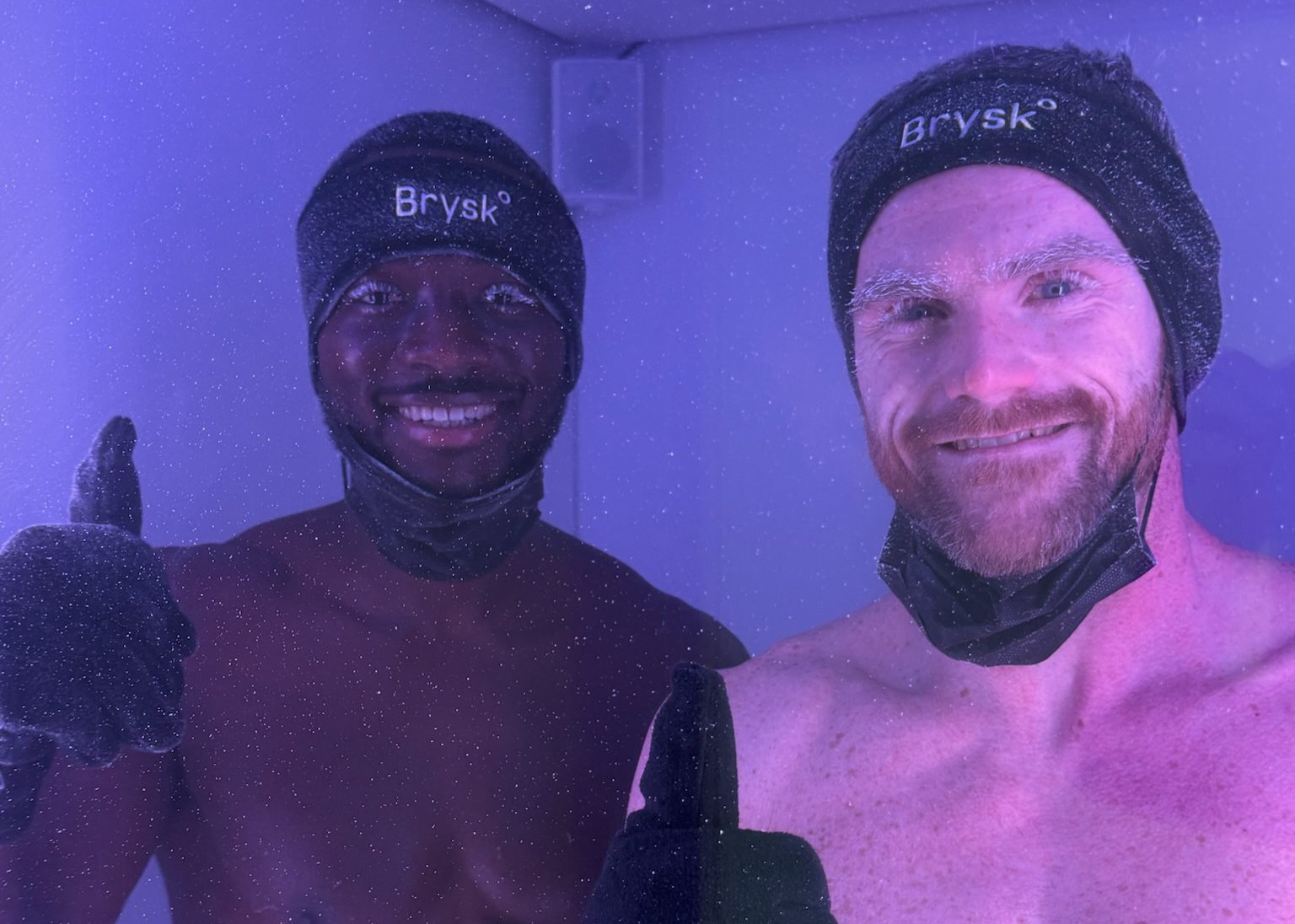
Cryotherapy and cold plunge both fall under the same broad umbrella: cold exposure.
That is exactly why they often get spoken about as if they are basically the same thing.
In practice, they do not feel the same at all.
The biggest difference is simple: cryotherapy uses very cold air, while a cold plunge uses cold water. That changes how quickly the body loses heat, how the session feels while you are in it, how long you usually stay there, and how practical the whole thing feels in real life.
So if you are choosing between them, the real question is not which one sounds tougher on paper. It is which one feels more manageable, fits your routine more realistically, and gives you a form of cold exposure you will actually keep using.
At Brysk, Whole Body Cryotherapy is delivered using an electric cryotherapy chamber because it offers a dry, structured, full-body cold exposure that feels easier to fit around normal life than sitting in cold water for several minutes.
Watch: What whole body cryotherapy looks like at Brysk
See how Brysk’s electric cryotherapy chamber works and why dry, guided cold exposure feels different from sitting in cold water.
Key takeaways
- Cryotherapy and cold plunge are both forms of cold exposure, but they do not feel the same in practice
- Cryotherapy uses very cold air for a short, dry session, while a cold plunge uses cold water immersion for longer
- Cold water generally removes heat from the body much faster than cold air, which is one reason a plunge often feels heavier and harder to ignore
- Cryotherapy is usually quicker, drier, and easier to fit around a busy day
- Cold plunge may suit people who enjoy longer immersion, home use, and the ritual side of cold exposure
- Cost works differently too: cold plunge may be cheaper long term if you already own the setup, while cryotherapy is usually a studio-based pay-per-session or membership option
- The better option depends less on hype and more on which experience you are actually likely to use consistently
- Brysk offers Whole Body Cryotherapy in Manchester city centre for people who want a guided, structured alternative to cold water immersion
Jump to
2. How cold do they feel?
3. Side-by-side comparison
4. Cold air vs cold water
5. Why plunge feels harder
6. Why cryotherapy feels different
7. Which is more convenient?
8. What about cost?
9. Which suits your routine?
10. Who may prefer cryotherapy?
11. Who may prefer cold plunge?
12. What to ask yourself
13. FAQs
14. Trying cryotherapy?
15. References
Cryotherapy vs cold plunge: quick answer
If you want the short version, cryotherapy often suits people who want something quicker, drier, and easier to fit around the week, while a cold plunge often suits people who prefer longer, water-based immersion.
A cold plunge may suit you better if you enjoy water immersion, prefer a home-based setup, or like the slower, more ritual-based side of cold exposure.
Neither option is automatically “better” for everyone. They are just very different experiences.
Both can have a place, but the deciding factor is often how the format feels in practice and whether it fits your routine well enough to use consistently.
If you like the idea of cold therapy but do not love the idea of sitting in cold water, cryotherapy will often feel more manageable. If you actively enjoy the challenge and ritual of immersion, a cold plunge may appeal more.
So for most people, the choice is less about which one sounds more hardcore and more about which one feels realistic enough to keep using.
A quick side-by-side view makes the practical differences easier to see.
How cold do cryotherapy and cold plunge usually feel?
This is one of the biggest points of confusion when people compare the two.
- Whole Body Cryotherapy uses much colder air on paper, often at extreme sub-zero temperatures
- Cold plunge uses much warmer temperatures on paper, but the body loses heat to water far faster than it does to air
- That is why a cold plunge can feel heavier and harder to tolerate even though the number looks warmer
- Cryo chambers usually feels sharper but shorter
- Cold plunge usually feels slower, wetter, and more immersive
So while cryo chambers often looks colder on paper, cold plunge can still feel more physically demanding in the moment. The number alone does not tell you how intense the experience will feel. The medium matters too: cold air and cold water do not pull heat from the body in the same way.
Cryotherapy vs cold plunge: side-by-side comparison
Before getting into the finer detail, it helps to separate the two clearly.
| Point of comparison | Whole Body Cryotherapy Chamber | Cold plunge |
|---|---|---|
| Exposure type | Very cold air | Cold water immersion |
| What usually affects felt intensity most | Very cold dry air over a short session | Water immersion, which pulls heat away faster and often feels heavier |
| Typical session length | Around 2–3 minutes | Often around 5–15 minutes |
| Feel | Dry, short, intense but brief | Wet, immersive, usually more drawn out |
| Setup | Usually in a studio with staff guidance | Often at home or in a plunge tub setup |
| After the session | Leave dry and carry on | Dry off, warm up, deal with the after-drop feeling |
| Why people choose it | Speed, structure, convenience, dry cold | Home use, ritual, immersion, self-managed cold exposure |
| Main trade-off | Requires booking or studio access | Takes longer and usually involves more effort around the session |
That is the key point: you are not just comparing “cold”. You are comparing two different types of cold experience.
The biggest difference: cold air vs cold water
This is the part that matters most.
- Cryotherapy uses very cold air.
- A cold plunge uses cold water.
That sounds like a small distinction, but it changes the experience quite a lot because the body does not lose heat to air and water in the same way.
Cold water pulls heat away from the body much faster than air, which is one reason immersion can feel so intense so quickly, even when the displayed temperature looks much warmer than a cryotherapy chamber. That does not automatically make cold plunge better. It simply means the two options create very different kinds of cold exposure and should not be treated as interchangeable.
Why cold plunge often feels harder
For many people, cold plunge feels harder.
That is not because it is automatically better or more effective, but because the experience is usually heavier, wetter, and more drawn out.
A big part of that is simple physics: water removes heat from the body far faster than air does, so even a “warmer” cold plunge can feel more demanding than a much colder dry cryotherapy chamber.
In practice, sitting in cold water often feels:
- Heavier
- More immersive
- Harder to mentally tune out
- Longer and more drawn out
You are not just standing in cold air for a short burst. You are sitting in water that keeps pulling heat away from the body the whole time.
That is one reason cold plunge can feel more confronting even when the displayed temperature looks much warmer than a cryotherapy chamber.
It can also make a plunge feel like something you have to settle into and tolerate, rather than simply get through quickly.
A lot of the online conversation around cold plunge is also tied up with challenge culture, mental toughness, and the ritual of doing something difficult on purpose. Some people love that framing. Others just want a practical recovery option they will actually use.
Research also suggests that both cold-water immersion and cryostimulation can influence autonomic nervous system activity, which helps explain why both methods can feel powerful in different ways even though the experience is very different.
Why cryotherapy feels different
Whole Body Cryotherapy is still intense, but it feels different.
In practice, it tends to feel:
- Dry rather than wet
- Short rather than drawn out
- Guided rather than self-managed
- Easier to fit around a normal day
At Brysk, whole body cryotherapy is delivered in an electric chamber, so the cold exposure is full-body, dry, structured, and already prepared for you when you step in.
That changes the feel of the session. Instead of lowering yourself into water and staying there for several minutes, you are stepping into a very cold air environment for a short, controlled exposure that is over quickly.
That is one reason cryotherapy often appeals to people who want the benefits of cold exposure without the friction that comes with cold water immersion.
Which one is quicker, tidier, and easier to fit around real life?
Whole Body Cryotherapy is usually the easier option to fit around the day.
A cryo chamber session is often around 2–3 minutes.
A cold plunge usually takes longer, often somewhere in the 5–15 minute range depending on the setup, the temperature, and the person doing it.
But the difference is not just the minutes in the cold.
Cold plunge often also means:
- Getting changed
- Getting wet
- Drying off
- Warming back up
- Cleaning or managing the setup if it is at home
Cryotherapy is more streamlined.
You turn up, do the session, leave dry, and carry on with the day.
That does not automatically make it better. It does make it easier to repeat if your recovery has to fit around work, training, commuting, or city life.
That shorter format is not just about convenience either, and you can see that more clearly in why cryotherapy session length matters.
What about cost?
Cost is one of the biggest practical differences between cryotherapy and cold plunge.
A cold plunge can look cheaper over time if you already own the setup and use it regularly. But that depends on having the space, the equipment, the upkeep, and the willingness to keep using it.
Cryotherapy is different. It is usually a pay-per-session or membership-based studio option, so the cost is more obvious upfront, but you are paying for a prepared, structured session without having to manage the setup yourself.
If you do not already own a plunge setup, the upfront cost, space requirements, cleaning, and maintenance can change that calculation quite a lot.
So this is not just a question of “which costs less?” It is also a question of what kind of cold exposure fits your life well enough to feel worth repeating.
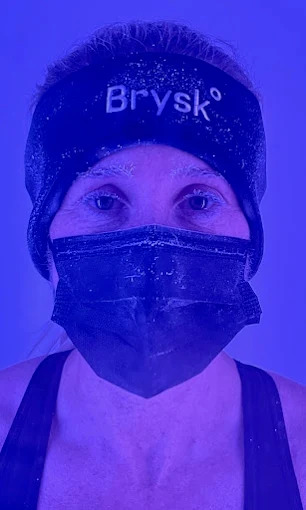
Looking for Whole Body Cryotherapy in Manchester city centre?
If you like the idea of cold therapy but want something shorter, drier, and easier to fit around the day, Brysk can talk you through whether a Whole Body Cryotherapy Chamber session sounds like the better fit.
Which one may suit your recovery routine better?
This is usually the point where people want a simple winner, but the more useful answer is that both can support recovery in different ways, depending on what you will actually use consistently.
Cryotherapy may suit your recovery routine better if you want:
- A short, structured session
- Something easy to repeat
- A dry, studio-based experience
- Cold exposure without sitting in water
Cold plunge may suit your recovery routine better if you want:
- A home-based option
- A longer immersion
- Something you can build into a personal ritual
- Cold water exposure specifically
In other words, this is often less about one being universally better and more about which form of cold exposure you are actually likely to use consistently.
Who may prefer cryotherapy?
Cryotherapy may be the better fit if you want:
- A short session rather than a longer immersion
- Dry cold instead of cold water
- A more structured, guided experience
- Staff support rather than managing the session yourself
- Something easier to fit around work, training, or city life
- A session that feels practical and low-friction
This is often why a cryo chamber in Manchester appeals to people who are curious about cold exposure but not especially interested in sitting in an ice bath.
If you also want a clearer idea of what happens before, during and after cryotherapy, Brysk has broken that down step by step as well.
Who may prefer cold plunge?
Cold plunge may appeal more if you want:
- A home-based cold setup
- A lower-cost route once you already own the equipment
- A slower, more immersive experience
- The ritual side of cold exposure
- A challenge you can repeat on your own schedule
That ritual is a big part of the appeal for some people, and exactly the reason others never really take to it.
What should you ask yourself before choosing?
If you are deciding between cryotherapy and cold plunge, it helps to ask:
- Do I want cold air or cold water?
- Do I want a short session or a longer immersion?
- Am I more likely to stick to a studio visit or a home setup?
- Do I want something guided, or something I manage myself?
- Am I actually looking for convenience, or do I enjoy the ritual side of cold exposure?
Those answers usually make the choice much clearer than trying to find one universal “best” option.
If you are still weighing cryotherapy up against Brysk’s wider recovery options, it may also help to read how to choose the right Brysk session.
FAQs
Most people comparing cryotherapy and cold plunge are really trying to work out which one feels more practical, more manageable, and more realistic to repeat. These are the questions that usually matter most.
Is cryotherapy better than a cold plunge?
Not automatically. A Whole Body Cryotherapy Chamber is usually quicker, drier, and more structured, while a cold plunge may suit people who want a home-based, water-based, or more immersive form of cold exposure.
Is cryotherapy colder than a cold plunge?
Yes, the air inside a cryotherapy chamber is usually much colder on paper than the water in a cold plunge. But water removes heat from the body much faster than air, so the colder-looking number does not automatically mean cryotherapy will feel more intense in the moment.
Does cryotherapy feel easier than a cold plunge?
A lot of people find cryotherapy easier to tolerate because it is over quickly and does not involve sitting in cold water. Cold plunge often feels more drawn out and more immersive.
Which is more convenient: cryotherapy or cold plunge?
Cryotherapy is often more convenient on the day because the session is short and dry. Cold plunge can be convenient if you already have one at home, but it usually involves more prep, more maintenance, and more aftercare around the session.
Why can a cold plunge feel harder than cryotherapy if the water is warmer?
Because water removes heat from the body much faster than air. That means a cold plunge can feel heavier and more physically demanding in the moment, even though the temperature number usually looks much warmer than a cryotherapy chamber.
Is a cold plunge cheaper than cryotherapy?
It can be over time if you already own the setup and use it regularly, although the upfront cost of buying a plunge tub or chiller system can be significant. Cryotherapy is usually a pay-per-session or membership-based studio option, and if you want a clearer sense of what that pricing actually reflects, it also helps to read what you’re actually paying for in a cryotherapy session.
Who may prefer cryotherapy over a cold plunge?
Cryotherapy may appeal more to people who want a faster, tidier, more structured form of cold exposure that fits around a busy schedule.
Is cryotherapy safe?
Cryotherapy should be delivered with proper screening, supervision, protective gear, and sensible session limits. At Brysk, sessions are guided and structured from the outset, and if safety is one of the main things you are weighing up, it also helps to read more about whether cryotherapy is safe and what a properly supervised session should look like.
Thinking about trying whole body cryotherapy in Manchester?
Brysk offers Whole Body Cryotherapy in Manchester city centre using an electric chamber, with sessions designed to feel structured, supervised, and straightforward from the outset.
If you are weighing up cryotherapy against cold plunge and want something faster, drier, and easier to fit around real life, Brysk can talk you through whether a Whole Body Cryotherapy Chamber session sounds like the right fit before you book.
Want a bit of guidance before you start?
Book a session or speak to the team if you’d like help choosing what feels right.
References
Louis J, Schaal K, Bieuzen F, Le Meur Y, Filliard J-R, Volondat M, et al. Head Exposure to Cold during Whole-Body Cryostimulation: Influence on Thermal Response and Autonomic Modulation. PLOS ONE. 2015;10(4):e0124776.
Zalewski P, Bitner A, Słomko J, Szrajda J, Klawe JJ, Tafil-Klawe M, Newton JL. Whole-body cryostimulation increases parasympathetic outflow and decreases core body temperature. Journal of Thermal Biology. 2014;45:75–80.
Jdidi H, Dugué B, de Bisschop C, Dupuy O, Douzi W. The effects of cold exposure (cold water immersion, whole- and partial-body cryostimulation) on cardiovascular and cardiac autonomic control responses in healthy individuals: A systematic review, meta-analysis and meta-regression. Journal of Thermal Biology. 2024;121:103857.